



Irritated Dog Skin: Environmental Triggers & City Living and Why Dogs Develop Skin Irritation
Table of Contents
- What Are Environmental Allergies and Triggers?
- How City Living May Affect Dog Skin
- Seasonal Changes and Skin Flare-Ups
- Why Some Dogs React More Than Others
- The Skin Barrier's Role in Environmental Protection
- Everyday Habits That May Help Support Sensitive Skin
- The Connection Between Environment and Recurring Skin Problems
- When to See a Veterinarian
Key Takeaways
- 🍃 Environment is an overlooked factor in skin health. Pollen, pollution, road treatments, household products, and weather all create daily stress on sensitive skin.
- 🌆 City living adds unique exposure. Urban dogs encounter sidewalk debris, exhaust, and treated surfaces that can accumulate and contribute to irritation over time.
- 💨 Seasons drive flare-ups. Spring pollen, summer heat, fall transitions, and winter dryness each affect skin in different ways.
- 🐶 Not every dog reacts the same way. Skin barrier health, existing sensitivities, and repeated exposure all influence how a dog responds to environmental triggers.
- ❗️ A compromised barrier makes everything worse. When the skin barrier is weakened, dogs become more vulnerable to environmental stress and recurring irritation.
- 🐾 Small habits make a real difference. Wiping paws, rinsing after walks, and using gentle grooming products can meaningfully reduce environmental skin stress.
- 🩺 Know when to call the vet. Sores, infections, hair loss, chronic ear infections, or worsening symptoms need professional evaluation.
Introduction
Many dog owners focus on food or grooming products when trying to understand skin problems, but a dog's environment can play an important role in overall skin health as well.
From city sidewalks and seasonal pollen to household cleaning products and changing weather conditions, dogs encounter countless environmental factors every day. While not every exposure causes problems, some dogs may be more sensitive to these triggers than others.
Environmental stress does not always result in immediate symptoms. Instead, irritation may build gradually over time, contributing to itching, redness, dryness, flaking, or recurring skin discomfort.
Understanding how environmental factors affect the skin can help owners make more informed decisions about long-term skin support.
What Are Environmental Allergies and Triggers?
Environmental triggers are external factors that may contribute to skin irritation or discomfort. Common allergies in dogs often fall into four groups: food allergies, environmental allergies, insect bite allergies, and contact allergies.
Examples may include:
- Pollen
- Grass
- Dust
- Mold
- Air pollution
- Road salt
- Household cleaning products
- Fragrances
- Smoke
- Dry air
- Seasonal weather changes
Dogs encounter many of these factors daily, particularly those living in densely populated urban environments.

How City Living May Affect Dog Skin
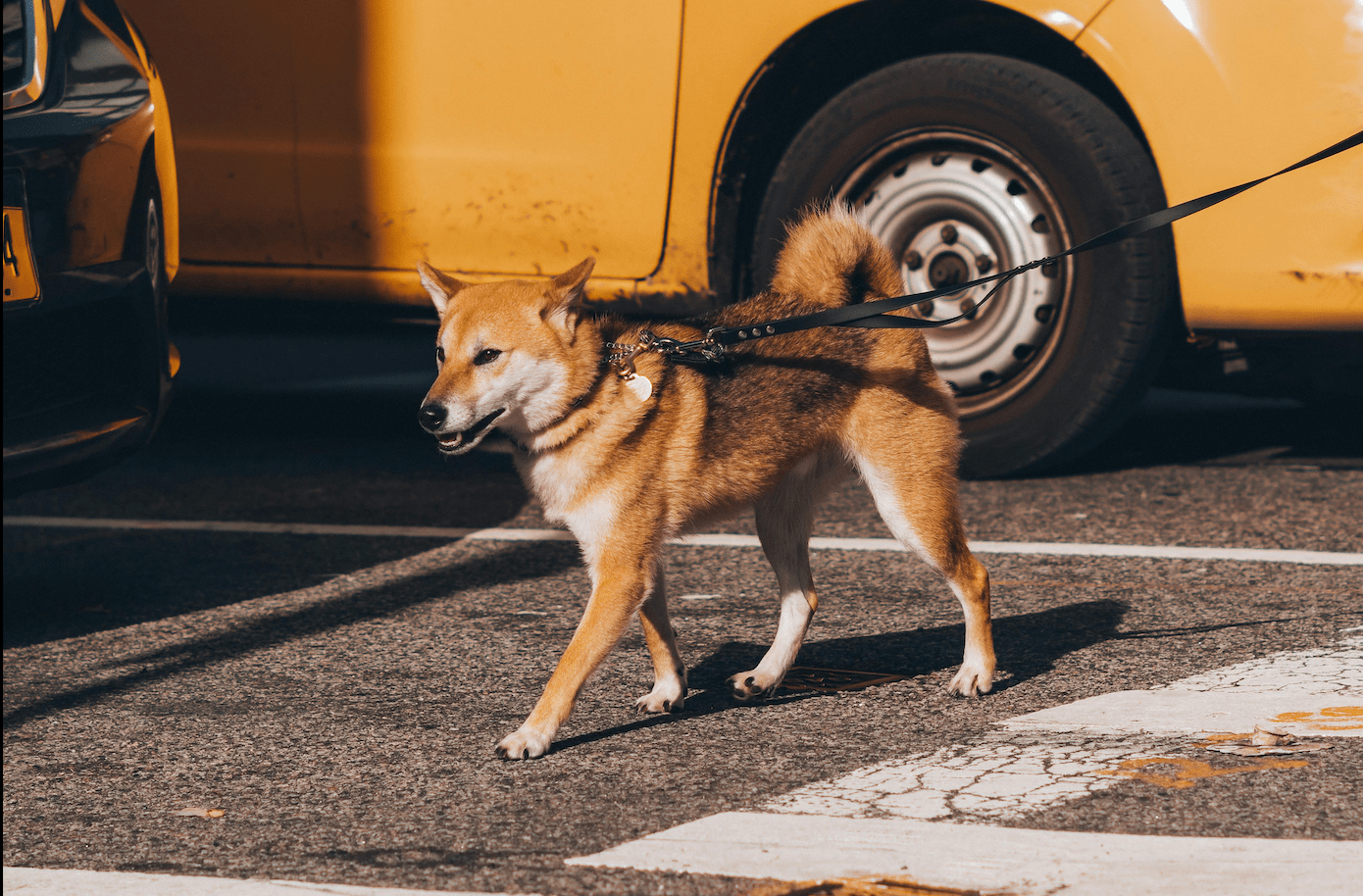
Urban environments present unique challenges for sensitive dogs.
Daily walks often expose dogs to:
- Sidewalk debris
- Vehicle exhaust
- Construction dust
- Road treatments
- Public green spaces
- Shared surfaces visited by many animals
Most dogs tolerate these exposures without issue. However, dogs with sensitive skin may be more prone to irritation when environmental stress accumulates over time, especially after contact with treated grass, harsh chemicals, fertilizers, or certain plants.
Parasites picked up outdoors, including fleas, ticks, or mites, can also cause intense itching, trigger intense scratching, and lead to hot spots.
Environmental exposure does not necessarily cause skin problems on its own, but it may contribute to discomfort in dogs that already have reactive or sensitive skin.

Seasonal Changes and Skin Flare-Ups
Many owners notice that skin symptoms seem to worsen during certain times of the year, and seasonal allergies are a recurring form of environmental allergies in dogs.
Common seasonal factors include environmental allergens such as pollen, mold, and dust mites; in affected dogs, these flare-ups may also involve flea saliva and can lead to itchy skin or skin infections.
Spring
Pollen levels often increase during spring months, and dogs may spend more time outdoors as temperatures rise.
Summer
Heat, humidity, increased outdoor activity, and frequent swimming may affect skin comfort in some dogs.
Fall
Changing plant conditions and fluctuating temperatures may contribute to seasonal skin sensitivity.
Winter
Cold temperatures, indoor heating, and lower humidity levels may contribute to dryness and flaking, as cold weather and low indoor humidity can strip natural oils from the dog's coat and lead to flaky skin.
For some dogs, these seasonal changes appear as temporary flare-ups. For others, symptoms may recur year after year.
Why Some Dogs React More Than Others
Not all dogs respond to environmental exposure in the same way.
Several factors may influence how the skin responds, including:
- Overall skin health
- Skin barrier function
- Existing sensitivities
- Grooming habits
- Seasonal conditions
- Repeated exposure to irritants
Dogs with a compromised skin barrier may be more vulnerable to environmental stress than dogs with healthy, resilient skin.
The Skin Barrier's Role in Environmental Protection
The skin barrier serves as one of the body’s first lines of defense against the outside environment.
Some skin allergies, often called allergic dermatitis, happen when the dog's immune system has an overreactive allergic response to environmental substances, causing skin inflammation and irritation.
It helps:
- Retain moisture
- Support skin comfort
- Reduce moisture loss
- Protect against everyday environmental stressors
When the skin barrier becomes disrupted, dogs may become more prone to:
- Dryness
- Flaking
- Redness
- Sensitivity
- Recurring irritation
Supporting skin barrier health may help dogs better tolerate everyday environmental exposure and may also help limit irritation linked to how the immune system reacts.
Everyday Habits That May Help Support Sensitive Skin
While environmental triggers cannot always be avoided, certain habits may help reduce unnecessary skin stress.
Helpful practices may include:
- Wiping paws after walks
- Rinsing away environmental debris, with regular baths when appropriate to help wash allergens from your dog's skin and coat
- Using gentle grooming products that can soothe irritated skin and relieve itching caused by environmental allergens
- Avoiding over-bathing
- Monitoring seasonal flare-ups
- Maintaining consistent skin care routines
Dusting and vacuuming the home regularly may also help minimize exposure to dust mites and other allergens.
Many owners find that small, consistent habits have a meaningful impact on overall skin comfort over time.
Products formulated for sensitive skin may also help support moisture balance and skin barrier function without over-stripping the coat or skin, and topical treatments may provide added comfort in some cases.
Fish oil supplements, rich in omega-3 fatty acids, may help improve skin health and reduce inflammation as part of broader skin support.
The Connection Between Environment and Recurring Skin Problems
Environmental exposure is one reason some skin issues seem to come and go, and recurring irritation often relates to allergies, external parasites, or secondary infections.
Many dogs experience a cycle where:
- Environmental exposure increases
- Skin becomes irritated
- excessive scratching or excessive licking increases
- The skin barrier becomes more stressed
- Symptoms continue recurring
When scratching breaks the skin, opportunistic bacteria or yeast can overgrow in moist, irritated areas and lead to secondary infections, including yeast infections.
Understanding these patterns may help owners identify the underlying cause of ongoing skin discomfort. Many recurring skin symptoms begin with subtle signs such as flaking, redness, dryness, or irritation before becoming more noticeable over time.
If recurring irritation sounds familiar, our guide on itchy, dry, and sensitive dog skin explores how skin barrier health and environmental stress may work together to influence skin comfort.
Want more guidance on sensitive dog skin, environmental triggers, and seasonal skin care? Subscribe to our newsletter for skin health education, grooming insights, and practical tips to help support long-term skin comfort in dogs.
When to See a Veterinarian
Environmental factors may contribute to skin irritation, but veterinary evaluation is important when symptoms become severe or persistent for diagnosing allergies, finding the underlying cause, and assessing your dog's allergy symptoms.
You should contact your veterinarian if your dog develops:
- Open sores
- Bleeding skin
- Significant hair loss
- Severe redness
- Persistent hot spots
- Signs of infection
- Ongoing discomfort
- Worsening symptoms
- Chronic ear infections
- Hives or raised bumps
- Excessive licking or chewing of the paws
- Vomiting or diarrhea
A structured approach can help with diagnosing allergies, so track when allergy symptoms appear and what exposures seem to trigger them.
A veterinarian can help determine whether environmental factors, dog allergies, parasites, infections, or other conditions may be contributing to the problem, and skin allergies can show up as itching, skin infections, or gastrointestinal issues. Allergy testing may include skin tests such as intradermal skin testing or blood tests to identify environmental allergens.
In Summary
Environmental factors such as pollen, pollution, weather changes, household products, and outdoor exposure may contribute to skin irritation in some dogs.
While these triggers cannot always be avoided, maintaining a gentle skin care routine and supporting skin barrier health may help reduce unnecessary skin stress and support long-term skin comfort.
FAQs
Can city living cause skin problems in dogs?
Urban environments may expose dogs to additional environmental stressors such as pollution, sidewalk debris, road treatments, and airborne particles that may contribute to skin irritation in sensitive dogs.
Can pollution affect a dog's skin?
Environmental pollutants may contribute to irritation or discomfort in some dogs, particularly those with sensitive skin or recurring skin issues.
Why does my dog seem itchier during certain seasons?
Seasonal changes may expose dogs to different environmental conditions such as pollen, dry air, heat, or humidity, which can influence skin comfort.
Can weather changes affect dog skin?
Yes. Cold weather, low humidity, indoor heating, and seasonal transitions may contribute to dryness, flaking, or irritation in some dogs.
Should I wipe my dog's paws after walks?
Many owners choose to wipe paws after walks to help remove dirt, debris, road treatments, and environmental residue that may accumulate outdoors.
How can I support my dog's skin if environmental triggers are unavoidable?
Maintaining a gentle grooming routine, supporting skin barrier health, monitoring seasonal flare-ups, and removing environmental debris after walks may help support overall skin comfort. For mild allergies, these steps can also help reduce day-to-day irritation. If food allergies are suspected, a veterinarian may recommend changes to the dog's diet, such as a limited-ingredient or hypoallergenic diet.
When should I contact a veterinarian about skin irritation?
You should contact your veterinarian if symptoms become severe, persistent, painful, or involve open sores, infection, significant hair loss, or worsening irritation.
Read more
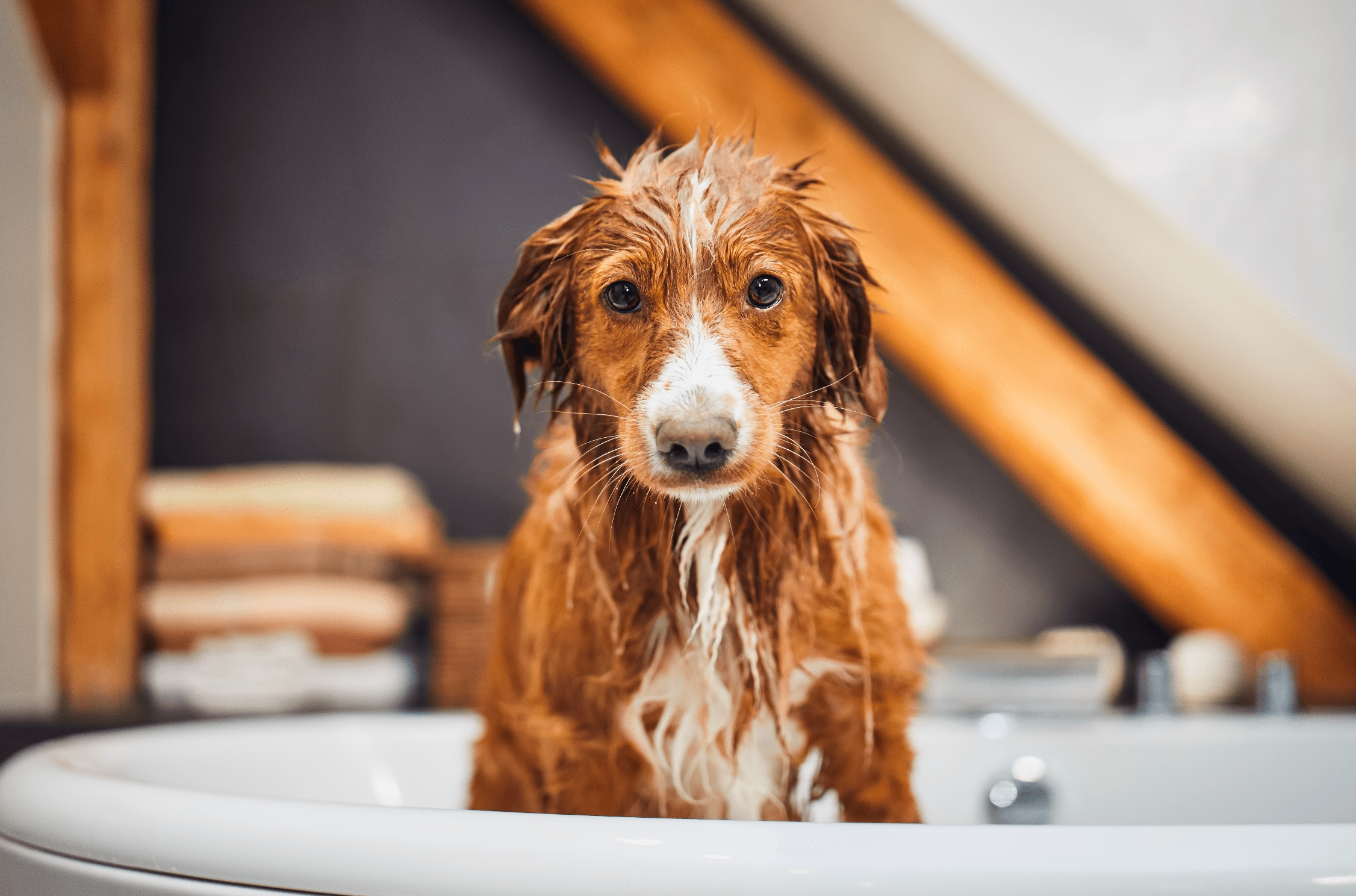
Learn what to look for in a shampoo for itchy or sensitive dogs, including gentle cleansing, moisture balance, and skin barrier support for long-term skin comfort.

Learn how grooming products may contribute to dryness, irritation, and sensitivity in dogs, and what to look for when choosing products for sensitive skin.