

Best Shampoo for Itchy Dogs & Sensitive Dogs
Table of Contents
- Why Some Dogs Have Sensitive Skin
- What Makes a Shampoo "Good" for Sensitive Dogs?
- What to Avoid in Shampoo for Sensitive Dogs
- Why Itching Often Becomes Recurring
- Building a Gentle Grooming Routine
- The Connection Between Grooming and Skin Health
- When to See a Veterinarian
- In Summary
- Frequently Asked Questions
Key Takeaways
- 🧴 The wrong shampoo can make things worse. Harsh cleansers, strong fragrances, and products not made for canine skin can add to irritation rather than relieve it.
- 🫧 Look for gentle, skin-conscious formulas. The best shampoos for sensitive dogs prioritize moisture balance and barrier support over aggressive cleansing.
- 🍃 Ingredients matter. Fragrance-free, sulfate-free formulas with soothing ingredients like oatmeal or coconut oil are often better tolerated by reactive skin.
- 🐾 pH balance is important. Dog skin has a different pH than human skin — human shampoo can disrupt that balance and worsen irritation.
- 💢 Itching tends to become cyclical. Without addressing the underlying sensitivity, scratching further compromises the barrier and keeps the cycle going.
- 🛁 Shampoo is just one piece. Bathing frequency, water temperature, rinsing thoroughly, and post-walk wipe-downs all affect skin comfort.
- 🩺 Know when to call the vet. Sores, infection, significant hair loss, or persistent worsening need professional evaluation.
Introduction
Finding the right shampoo for an itchy or sensitive dog can feel overwhelming. Many dogs experience dryness, irritation, flaking, redness, or recurring itchiness at some point, and choosing the wrong grooming product may sometimes make those issues worse instead of better.
In recent years, pet owners have become more aware of how grooming products affect overall skin health. Rather than focusing only on cleaning the coat, many people are now looking for products that help support sensitive skin without disrupting moisture balance or causing unnecessary irritation.
While no single shampoo can address every cause of itching, using a gentle and skin-conscious formula may help support overall skin comfort as part of a broader care routine.
Why Some Dogs Have Sensitive Skin
Sensitive skin in dogs can develop for many different reasons. Common contributing factors may include:
- Environmental irritation
- Seasonal flare-ups
- Dry weather
- Excessive bathing
- Harsh grooming products
- Allergies or sensitivities
- Repeated scratching or licking
- Skin barrier disruption
- Some dogs naturally appear more reactive than others, while some experience sensitivity only during certain seasons or environmental conditions.
What Makes a Shampoo “Good” for Sensitive Dogs?
Not all dog shampoos are formulated with sensitive skin in mind. When evaluating grooming products for itchy or reactive dogs, many owners look for formulas that prioritize gentleness and skin balance rather than overly aggressive cleansing.
Gentle Cleansing
Sensitive skin may become more irritated when shampoos strip away too much moisture or disrupt the skin barrier. A gentle shampoo is one of the sensitive skin shampoos made to cleanse effectively without harsh ingredients such as sulfates, parabens, or artificial fragrances, helping remove dirt, debris, and buildup without leaving the skin feeling overly dry or tight afterward.
Moisture Support
Hydration plays an important role in maintaining skin comfort. Sensitive-skin formulas often include moisturizing ingredients, and natural plant extracts and lipids can help heal the skin barrier in dogs with dry skin. Common soothing ingredients include oatmeal and coconut oil, which help hydrate and calm irritated skin. Dogs with dry or flaky skin may benefit from grooming routines that help support moisture balance.
Skin Barrier Support
The skin barrier helps protect against moisture loss and outside irritants. For barrier-supportive or therapeutic shampoos, the right active ingredients depend on the dog's needs and may include chlorhexidine or ketoconazole, while ceramide-supporting formulas may help maintain the skin barrier. When the barrier becomes compromised, dogs may become more prone to irritation, dryness, and recurring itching.
Supporting the skin barrier through gentle grooming may help reduce unnecessary stress on sensitive skin.
Fragrance-Free Considerations
Strong fragrances or heavily perfumed grooming products, along with artificial dyes, may sometimes contribute to skin irritation in sensitive dogs. Many owners of sensitive dogs prefer fragrance-free, lightly formulated, or hypo allergenic grooming products designed to minimize unnecessary skin stress. For some dogs, these options may also lower the risk of allergic reactions.
pH Balance
Maintaining proper pH balance may help support skin comfort and reduce unnecessary irritation in dogs with sensitive skin, because a dog's skin has a different pH balance than human skin. Human shampoo can disrupt that balance and worsen dryness, irritation, and other skin issues, so shampoo for dogs is the safer choice.
What to Avoid in Shampoo for Sensitive Dogs
Some grooming products may be too harsh for already-reactive skin. Depending on the individual dog, owners may choose to avoid:
- Overly harsh cleansers
- Strong fragrances
- Excessive drying ingredients
- Frequent over-bathing
- Products not formulated for canine skin
Even well-intentioned grooming routines can sometimes contribute to dryness or irritation if the skin becomes over-cleansed repeatedly.
Why Itching Often Becomes Recurring
Itchy skin can become cyclical over time. Many dogs experience a pattern where:
- Skin becomes irritated
- Scratching or licking increases
- The skin barrier becomes more stressed
- Irritation worsens further
This is one reason why many modern approaches to sensitive skin focus on long-term skin support rather than short-term masking alone. Many recurring skin symptoms begin with subtle signs like dryness, flaking, redness, or irritation before progressing into more persistent discomfort
If you want to better understand why itching, dryness, and sensitivity often occur together, our guide on itchy, dry, and sensitive dog skin explains the broader connection between skin barrier health and recurring irritation.
Building a Gentle Grooming Routine
Shampoo is only one part of overall skin support. Helpful grooming habits may include:
- Avoiding over-bathing
- Using lukewarm water instead of very hot water, since hot water can act as an inflammatory trigger and worsen itching after the bath
- Rinsing thoroughly to help rinse away all shampoo residue
- Drying the coat gently
- Wiping away environmental debris after walks
- Monitoring seasonal flare-ups
- Keeping grooming routines consistent
A gentle grooming routine may help support overall skin comfort while minimizing unnecessary irritation. Products formulated for sensitive skin may also help support moisture balance and barrier function without over-stripping the coat or skin.

The Connection Between Grooming and Skin Health
Healthy skin is not only about appearance. The skin acts as a protective barrier that helps regulate moisture and environmental exposure. Regular bathing with a suitable dog shampoo can remove dead hair and skin cells, which may reduce shedding and help support a healthy skin and coat. A soothing formula may also cut down on excess shedding when scratching from irritation is part of the problem.
When the skin becomes stressed or imbalanced, dogs may become more prone to:
- Dryness
- Flaking
- Redness
- Sensitivity
- Recurring itching
This is why many modern approaches to canine grooming focus not only on cleansing, but also on maintaining skin balance and comfort over time.
When to See a Veterinarian
Some itching or dryness may improve with gentle skin support, but veterinary evaluation is important if symptoms become severe or persistent.
You should contact your veterinarian if your dog has:
- Open sores
- Bleeding or infected skin
- Severe redness or swelling
- Significant hair loss
- Scabs
- Persistent hot spots
- Foul odor
- Worsening symptoms
- Ongoing discomfort or behavioral changes
A veterinarian can help determine whether allergies, parasites, or underlying medical conditions may be contributing to the irritation. If skin infections, bacterial infections, or fungal infections are suspected, a vet may recommend a medicated shampoo. Common active ingredients include chlorhexidine and ketoconazole for secondary bacterial or yeast-related problems.
Want more guidance on sensitive dog skin, barrier health, and gentle grooming routines? Subscribe to our newsletter for skin health education, grooming insights, and seasonal care tips designed to support long-term skin comfort in dogs.
In Summary
The best shampoo for itchy or sensitive dogs is typically one that focuses on gentle cleansing, moisture balance, and minimizing unnecessary irritation, and over-the-counter options are often best for mild cases linked to seasonal allergies, environmental irritants, or mild dry skin. Effective itch-relief formulas often use ingredients such as oatmeal, aloe vera, or chlorhexidine depending on the cause.
Sensitive skin may become more reactive when the skin barrier is repeatedly stressed by harsh products, over-bathing, or environmental exposure. Gentle grooming routines and skin-supportive products may help support long-term skin comfort in sensitive dogs.
Frequently Asked Questions
What type of shampoo is best for itchy dogs?
Many owners look for gentle shampoos designed for sensitive skin that help cleanse without over-drying or irritating the skin. In practice, the best dog shampoos for itchy dogs depend on the root cause, and many pet parents start with sensitive-skin formulas or a soothing dog shampoo for mild irritation.
Can dog shampoo make itching worse?
Some grooming products may be too harsh for sensitive dogs and can contribute to dryness or irritation over time. Shampoos with harsh ingredients or products not made for canine use can also trigger skin issues or worsen existing irritation.
How often should I bathe an itchy dog?
Bathing frequency depends on the individual dog and their skin needs. If your veterinarian recommends a medicated shampoo, it may be used as often as two to three times a week depending on the severity of the skin condition. These products often need five to ten minutes of contact time on your dog's coat before you rinse thoroughly. Over-bathing may sometimes contribute to dryness in sensitive dogs.
Should I avoid fragrance in dog shampoo?
Some dogs with sensitive skin may react to heavily fragranced products. Many owners prefer fragrance-free or lightly formulated options.
Why does my dog still itch after a bath?
Itching may have multiple contributing factors, including dryness, environmental irritation, allergies, or underlying skin sensitivities.
What should I avoid in shampoo for sensitive dogs?
Many owners avoid overly harsh cleansers, excessive fragrance, and products not specifically formulated for canine skin. Many also skip shampoos marketed for flea and tick control unless that function is truly needed, since some dogs do better with simpler formulas.
When should I contact a veterinarian about itching?
You should contact your veterinarian if symptoms become severe, persistent, painful, or involve infection, open sores, or worsening irritation.
Read more
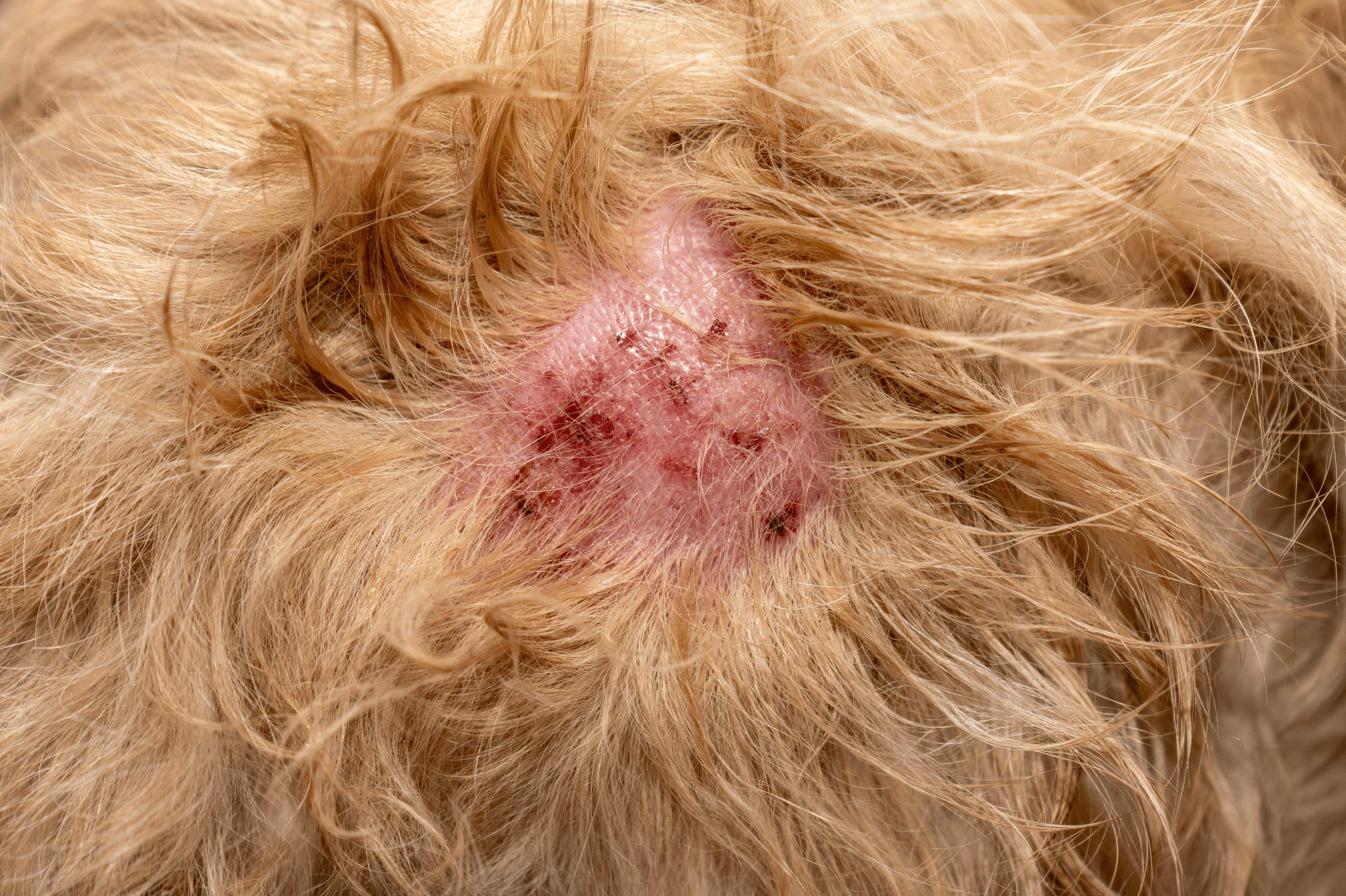
Learn common causes of flaky, red, or crusty dog skin, including dryness, irritation, seasonal flare-ups, and skin barrier disruption in sensitive dogs.
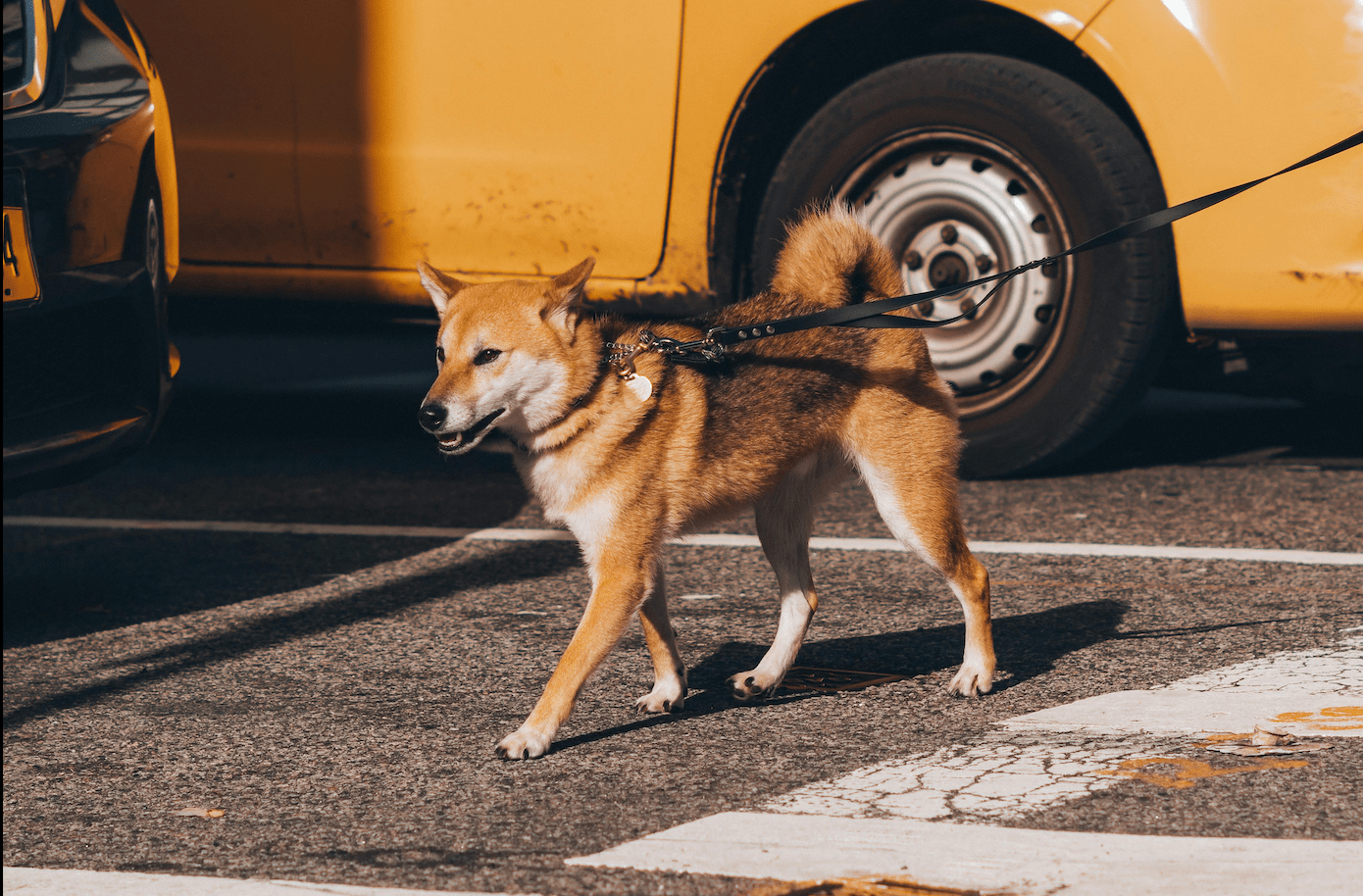
Learn how environmental factors like pollen, pollution, and seasonal changes may affect your dog's skin, and how to support long-term skin comfort in sensitive dogs.