


Understanding Common Dog Skin Problems & Symptoms
Table of Contents
- Key Takeaways
- Dog Skin Problems Are Signs, Not Final Answers
- The Skin Barrier and Environment Work Together
- What Happens When That Balance Is Disrupted
- Why Dog Skin Problems Show Up in Different Ways
- Common Ways Dog Skin Problems Present
- Why Skin Problems Often Come and Go
- When Dog Skin Problems Require a Veterinarian
- Supporting Skin Health Instead of Chasing Symptoms
- In Summary
- Frequently Asked Questions
Key Takeaways
- ☝️ Symptoms are signals, not diagnoses. Flaking, redness, and sores indicate underlying imbalance, not isolated conditions.
- 💚 The skin barrier is central. When compromised, moisture escapes, sensitivity rises, and symptoms escalate.
- 🦠 Environment matters constantly. Pollen, surfaces, humidity, and grooming products create ongoing stress on the skin.
- 🐶 The same imbalance looks different in every dog. Genetics, coat type, and exposure all shape how problems appear.
- 💢 Recurring issues aren't random. Seasonal flare-ups and repeated irritation in the same spots signal persistent underlying sensitivity.
- 🧴 Treat the system, not the symptom. Gentle, consistent care that protects the barrier outperforms chasing individual symptoms.
- 🩺 Know when to call the vet. Sores, rapid worsening, discharge, or compulsive licking need professional evaluation.
If Your Dog’s Skin Looks Different, It Usually Means Something Has Shifted
If your dog’s skin suddenly looks flaky, red, irritated, crusty, or uneven, it can feel confusing. Many pet parents try to match what they’re seeing to a specific condition—dry skin, allergies, infection, or something else. But most skin issues don’t start with a clear label. They start with a change.
A change in texture.
A change in color.
A change in coat quality.
A change in behavior like licking or scratching.
Dog skin problems are rarely isolated events. They are visible signs that something in the skin’s environment or function has shifted out of balance. This guide breaks down what those changes mean, why they happen, and how to think about skin health in a way that focuses on the system, not just the symptom.
Dog Skin Problems Are Signs, Not Final Answers
“Dog skin problems” can refer to a wide range of symptoms:
- Flaky or dandruff-like skin
- Redness or inflammation
- Crusty or scaly patches
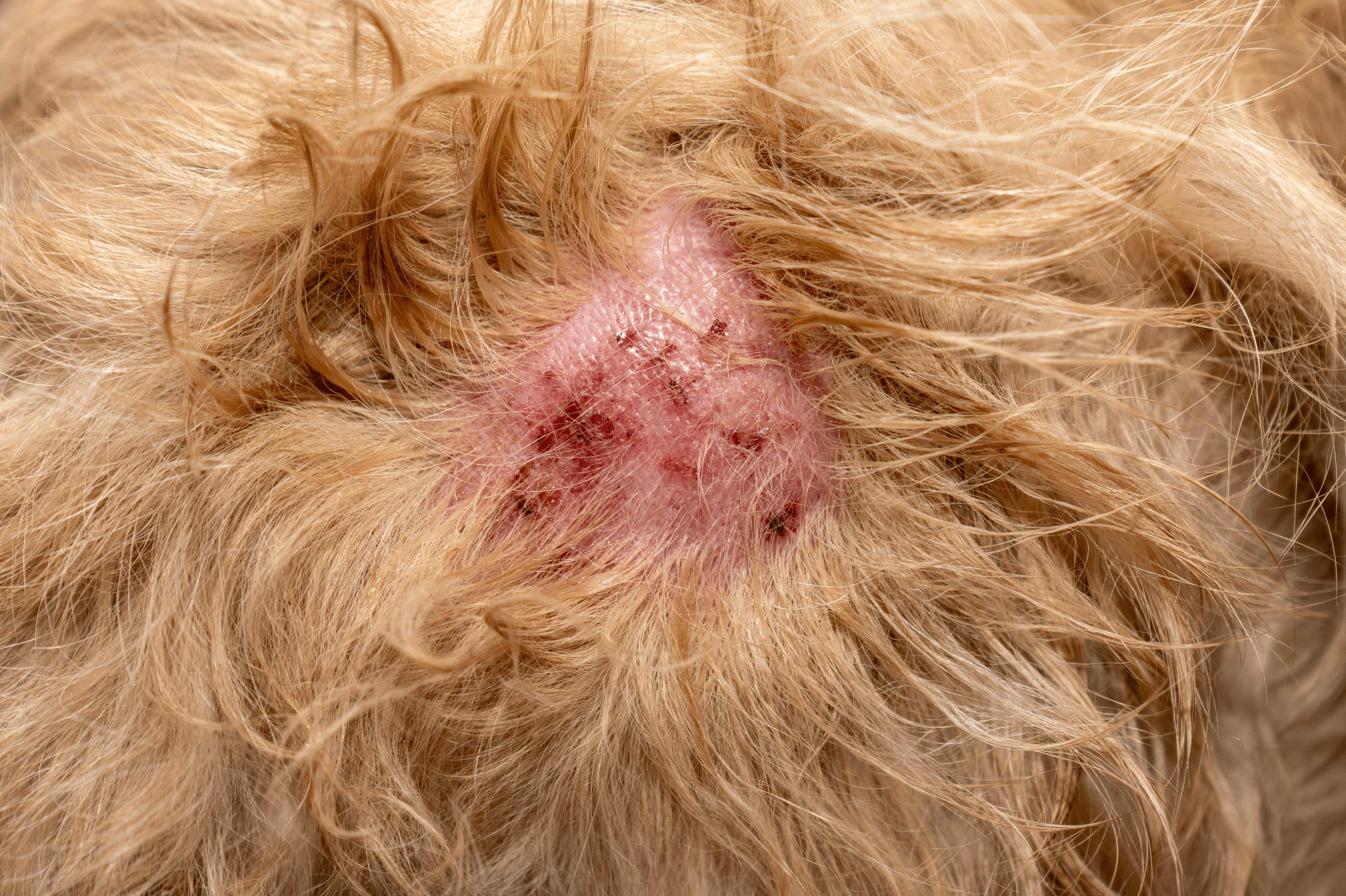
- Hot spots or irritated areas
- Open sores
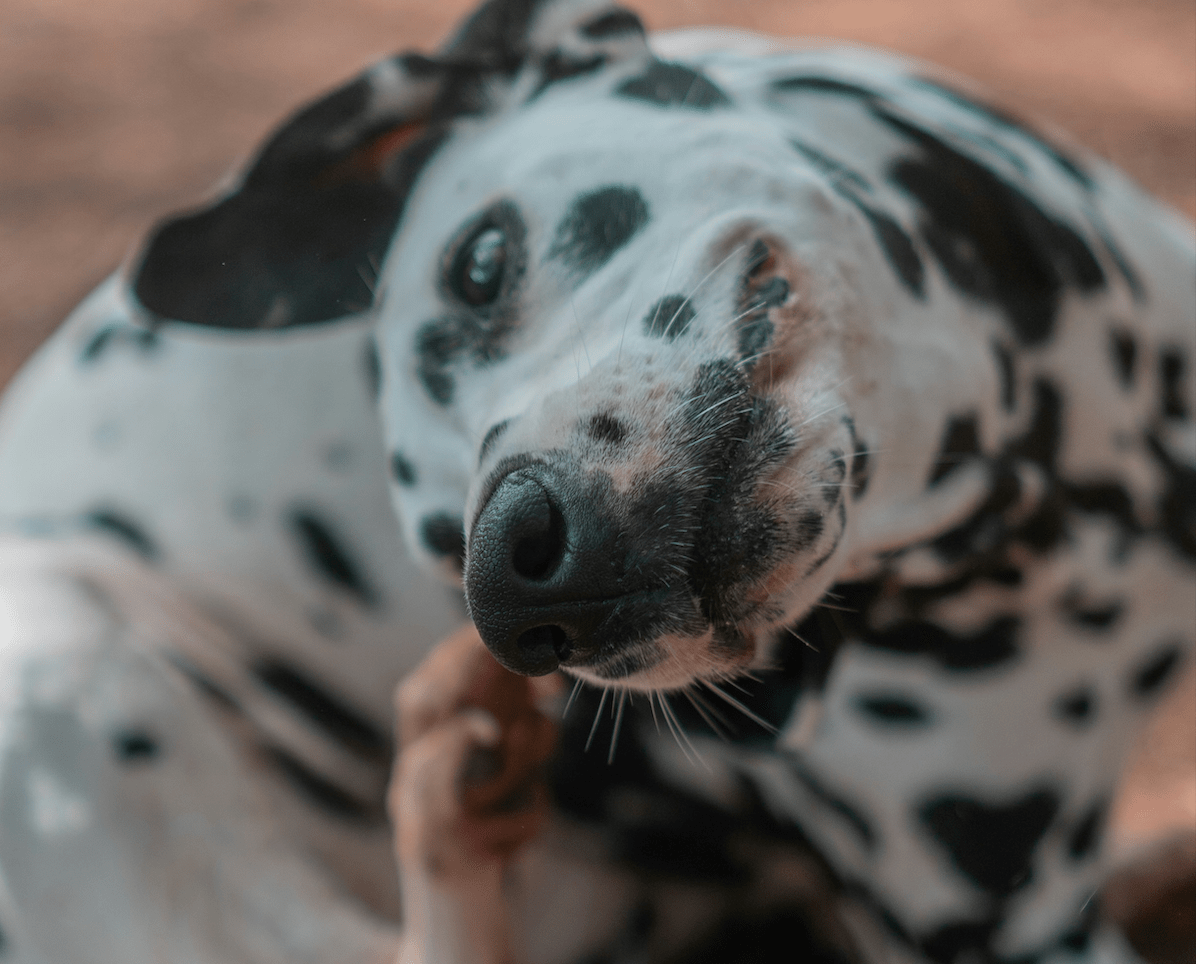
- Excessive licking or chewing
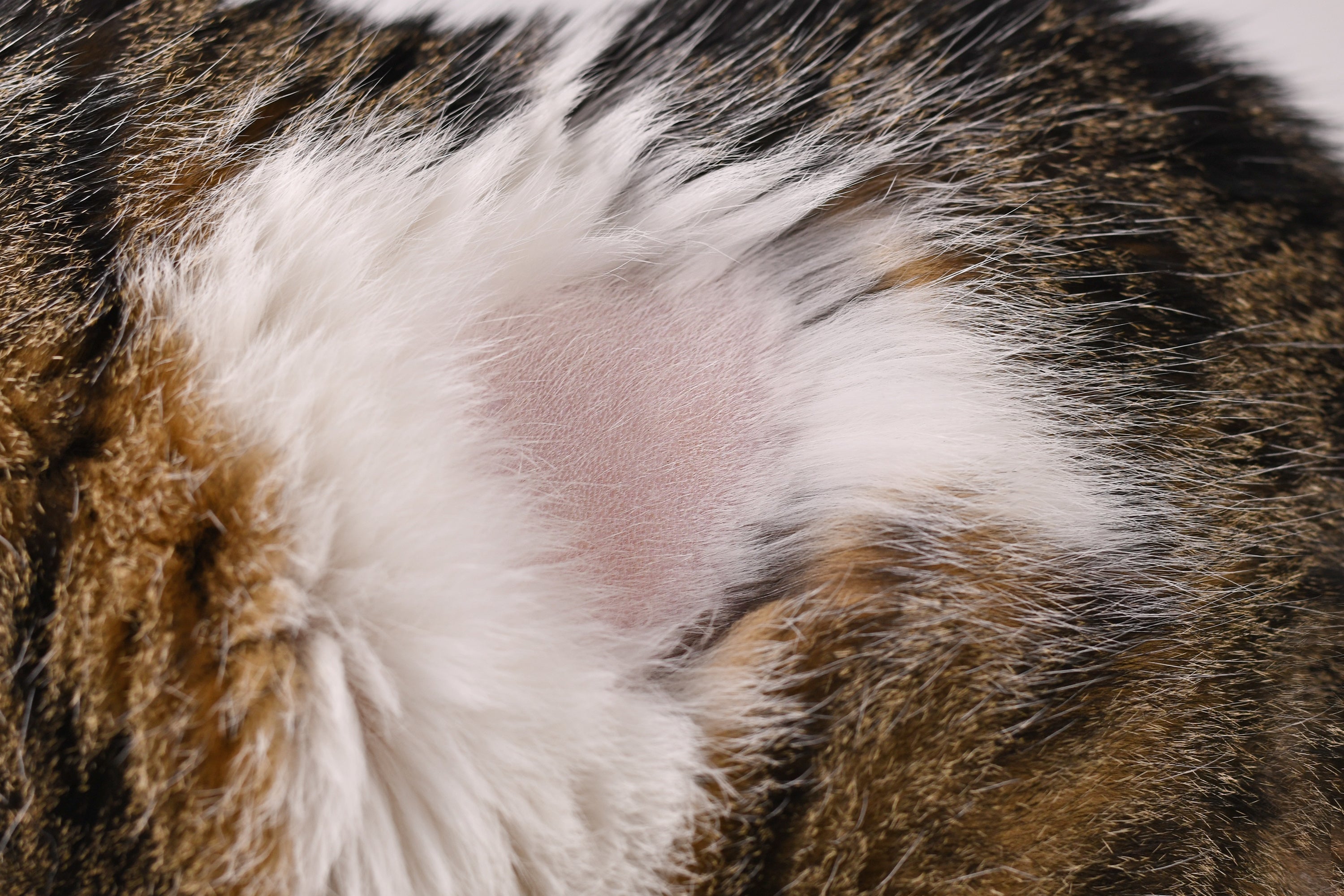
- Hair loss or thinning
- Sudden changes in shedding
- Dull or dry coat texture
These symptoms may look different, but they often share the same underlying pattern. Like itching, they are clinical signs, not diagnoses. That means the visible issue is usually the result of something happening beneath the surface—not the starting point.
The Skin Barrier and Environment Work Together
To understand dog skin problems, it helps to think of the skin as a system. At the center of that system is the skin barrier. When healthy, the barrier:
- Holds moisture in
- Keeps irritants out
- Maintains a stable surface environment
- Helps regulate sensitivity
At the same time, your dog’s skin is constantly interacting with the environment:
- Weather and humidity
- Allergens like pollen or dust
- Surfaces like grass, pavement, or bedding
- Grooming routines and products
- When the barrier and environment are in balance, the skin remains stable.
When that balance shifts, the skin responds. That response is what you see as a “skin problem.”
What Happens When That Balance Is Disrupted
When the skin barrier becomes compromised, several things tend to happen in sequence:
- Moisture escapes more easily
- The skin becomes drier and more fragile
- Sensitivity increases
- External triggers have a stronger effect
- The surface environment becomes less stable
From there, symptoms can begin to layer. Dryness can lead to flaking. Flaking can lead to irritation. Irritation can lead to redness. Redness can lead to scratching or licking. Repeated irritation can lead to sores or hot spots.
This is why many dog skin problems do not exist in isolation. They are often different expressions of the same underlying imbalance.
Why Dog Skin Problems Show Up in Different Ways
One of the most frustrating parts of skin issues is how inconsistent they can look. The same underlying imbalance can appear as:
- Flakes in one dog
- Redness in another
- Shedding changes in another
- Localized irritation in specific areas
This variation happens because the skin is not just a surface—it is a dynamic system influenced by:
- Genetics
- Coat type
- Environment
- Grooming habits
- Repeated exposure patterns
What matters is not just what the symptom looks like, but how and when it shows up.

Common Ways Dog Skin Problems Present
Instead of trying to immediately identify a condition, it is often more useful to recognize patterns.
Flaky, Red, or Crusty Skin
This is one of the most common presentations. It may include:
- White flakes in the coat
- Dry or rough texture
- Red or pink skin
- Crusty or scaly patches
This type of presentation is often associated with dryness, irritation, environmental exposure, or early barrier disruption.
Hot Spots, Sores & Irritated Areas
These are localized areas of inflammation that may appear:
- Red
- Moist or raw
- Painful
- Sticky or inflamed
They often develop quickly and can worsen due to licking or scratching. Hot spots are less about a single cause and more about a rapid escalation of irritation in one area.
Excessive Shedding & Coat Changes
Changes in the coat can reflect changes in the skin. You may notice:
- Increased shedding
- Dull or dry coat
- Brittle or uneven texture
- Patchy thinning
These changes often point to underlying stress at the skin level rather than just a coat issue.
Environmental Triggers & Daily Exposure
Your dog’s skin is constantly interacting with the outside world. Common contributors include:
- Pollen and seasonal allergens
- Dust and indoor air quality
- Grass and outdoor surfaces
- Pollution and urban exposure
- Dry air or humidity shifts
These triggers do not always cause immediate reactions. In many cases, they create gradual, repeated stress on the skin.
Reactions to Grooming Products
Some skin problems are connected to routine. This may happen when:
- Products are too harsh
- Formulas are not designed for canine skin
- Fragrance or additives create sensitivity
- Bathing frequency disrupts natural balance
Grooming should support the skin barrier, not work against it.
Why Skin Problems Often Come and Go
Many skin issues follow patterns. They improve, then return. This is often because the underlying sensitivity is still present. Common patterns include:
- Flare-ups during winter due to dryness
- Increased irritation during spring or fall
- Reactions after grooming changes
- Repeated issues in the same areas
- Symptoms that worsen with humidity or moisture
These patterns are not random. They reflect moments when the skin system is under more pressure. If symptoms are recurring alongside itching or discomfort, it can help to understand the broader picture of how irritation develops and how the skin barrier becomes compromised over time.
When Dog Skin Problems Require a Veterinarian
Some skin issues can be monitored. Others require professional evaluation. You should consult a veterinarian if the skin is:
- Red, hot, or painful
- Open, oozing, or bleeding
- Rapidly worsening
- Causing constant licking or chewing
- Associated with hair loss
- Producing odor or discharge
Veterinary evaluation may include:
- Skin scrapings
- Cytology
- Allergy testing
- Diet trials
- Additional diagnostics
This guide supports understanding, but it does not replace veterinary care.
Supporting Skin Health Instead of Chasing Symptoms
Trying to treat each symptom individually can lead to inconsistency. A more effective approach is to support the skin as a system. This includes:
- Maintaining hydration
- Preserving the skin barrier
- Reducing unnecessary irritation
- Using consistent, gentle routines
- Avoiding overly complex or harsh inputs
Because skin problems rarely have a single cause, simple and consistent care often leads to more stable outcomes over time. For some dogs, this may include routines designed to support gentle cleansing, hydration, and barrier care together. For exposed areas like paws, elbows, or friction points, targeted surface support can help protect the skin from daily contact and environmental stress.
A More Useful Way to Think About Dog Skin Problems
Dog skin problems are not random. They are surface-level expressions of underlying imbalance. The symptom you see—flakes, redness, sores, shedding—is one part of a larger conversation between the skin barrier and the environment. When that conversation becomes unbalanced, the skin reacts.
When you focus on restoring balance instead of chasing each symptom individually, decisions become clearer—and results tend to be more consistent. Skin changes are often the first signal that something is off. If you want to better understand what to watch for and how to support your dog’s skin over time, join our newsletter for practical, science-backed guidance.
In Summary
Dog skin problems like flakes, redness, sores, shedding, and irritation are usually signs that the skin is under stress rather than isolated conditions. These symptoms often result from disruption of the skin barrier combined with environmental exposure. Supporting skin health means focusing on hydration, protection, gentle care, and consistency while recognizing when veterinary care is needed.
Frequently Asked Questions About Dog Skin Problems
What are the most common dog skin problems?
Flaking, redness, hot spots, sores, hair loss, excessive shedding, and coat changes are among the most common.
Does flaky skin always mean dryness?
No. Flaking can be related to dryness, irritation, allergies, parasites, or infection.
Why is my dog’s skin red?
Redness typically indicates irritation or inflammation, which can come from scratching, environmental exposure, grooming products, or underlying conditions.
Are hot spots serious?
They can become serious quickly, especially if the area is raw, moist, or spreading.
Can grooming products cause skin problems?
Yes. Products that are too harsh or not designed for canine skin can disrupt balance over time.
Why do skin problems come and go?
Because the underlying sensitivity may still be present, and symptoms can flare when conditions change.
When should I see a vet?
If symptoms are severe, persistent, worsening, painful, or involve open sores, discharge, or behavioral changes.
Read more
Learn what the skin microbiome is, why balance matters for dogs and cats, and how gentle, consistent care supports long-term skin health and comfort.
Learn common causes of flaky, red, or crusty dog skin, including dryness, irritation, seasonal flare-ups, and skin barrier disruption in sensitive dogs.