




Understanding the Root Causes of Itchy Dog Skin
If your dog is constantly scratching, licking, or chewing at their skin, it can feel worrying and confusing. Many pet parents assume itching is just part of being a dog, but persistent itch is usually a sign that something in the skin is not functioning as it should.
Itchy dog skin is not a diagnosis — it’s a clinical sign. And understanding the reason for itching starts with understanding how your dog’s skin works. This guide explains the most common reasons dogs develop itchy, dry, or sensitive skin and how to support skin health in a way that focuses on long-term balance rather than quick fixes.
Table of Contents
- What “Itchy Dog Skin” Actually Means
- The Skin Barrier: Where Itch Often Begins
- Common Reasons Dogs Develop Itchy, Dry Skin
- Why Itching Often Flares at Certain Times
- Supporting Skin Health Instead of Fighting the Itch
- When to Involve a Veterinarian
- A Healthier Way to Think About Itchy Dog Skin
- Plain-Language Summary
- Frequently Asked Questions About Itchy Dog Skin
Key Takeaways
- 🐶 Itchy dog skin is a clinical sign, not a diagnosis.
- 🚨 Most persistent itching starts with a compromised skin barrier.
- 🤧 Dryness, environmental exposure, and routine imbalances often overlap.
- ☝️ Seasonal flare-ups usually reflect barrier stress, not a new condition.
- 💦 Long-term skin comfort comes from hydration, protection, and consistency, not quick fixes.
- 🩺 Severe or sudden symptoms should always be evaluated by a veterinarian.
If Your Dog Is Always Itchy, You’re Not Alone
If your dog is constantly scratching, licking, or chewing at their skin, it can feel worrying and confusing. Dog scratching is a common symptom that may indicate deeper health issues. Many pet parents assume itching is just part of being a dog, but persistent itch is usually a sign that something in the skin is not functioning as it should. Ensuring the comfort and well-being of your furry friend is essential.
Itchy dog skin is not a diagnosis on its own. It is a clinical sign. Skin allergies are a frequent underlying cause of itchiness in dogs. Identifying the root cause of your dog's itching is crucial for effective treatment. And understanding the reason for itching starts with understanding how your dog’s skin works.
This guide explains the most common reasons dogs develop itchy, dry, or sensitive skin and how to support skin health in a way that focuses on long-term balance rather than quick fixes.

What “Itchy Dog Skin” Actually Means
What itching looks like in dogs
Itching, also called pruritus, is the body’s response to irritation or imbalance in the skin. It can show up as:
- Frequent scratching or rubbing
- Licking paws or belly
- Chewing at the base of the tail or legs
- Redness, flaking, or dull coat texture
- Constant licking
- Excessive scratching
- Redness
- Hair loss or breakage
For exposed areas like the paws or nose, adding a surface barrier can help reduce irritation from friction or the environment. Importantly, itching does not always mean infection or disease. In many cases, it reflects stress on the skin barrier, the outermost layer of the skin that protects against moisture loss and environmental exposure.
The Skin Barrier: Where Itch Often Begins
What the skin barrier does
Your dog’s skin barrier acts like a shield. When healthy, it:
- Locks moisture into the skin
- Keeps irritants and allergens out
- Helps maintain a stable skin environment
What happens when the barrier is compromised
When the skin barrier is disrupted, moisture escapes more easily and the skin can become more reactive. This can lead to dryness, sensitivity, and eventually itch. A compromised barrier also increases the risk of secondary infections, which can further worsen symptoms and require additional treatment.
Prevention of itchy dog skin often means supporting the skin barrier itself rather than chasing symptoms.
Common Reasons Dogs Develop Itchy, Dry Skin
Itchy dog skin rarely has a single cause. More often, it is the result of multiple overlapping stressors. Certain dog breeds, including bulldogs, pugs, retrievers, and German shepherds, are more prone to dog's dry skin and skin disorders due to genetic factors.
Dryness and moisture loss
Low humidity, cold weather, frequent bathing, or harsh cleansers can strip the skin of natural oils. Excessive bathing can worsen dryness by removing these essential oils, leading to further irritation. Dry skin is more fragile, making it easier for irritation to develop. Flaky skin is a common symptom of dryness and may indicate an underlying issue. Using a moisturizing shampoo can help restore hydration and soothe your dog's itchy skin.
Environmental stress
Weather changess, environmental allergens, pollen, dust, and urban pollutants can all interact with sensitive skin. Even dogs without allergies may react when their skin barrier is already compromised. Other environmental allergens like mold and pollen, as well as dust mites, can also trigger skin reactions in dogs.
Imbalanced skin care routines
Over-washing, under-conditioning, or using products that are not formulated for canine skin can disrupt natural balance. Dogs have different skin needs than humans, and even subtle mismatches can matter over time. Additionally, some commercial dog foods may contain ingredients like wheat, dairy, chicken, or beef that can contribute to skin irritation in sensitive dogs.
Repeated low-level irritation
irritations that happen repeatedly, such as friction, residue buildup, or inconsistent grooming, can add up. Over time, the skin becomes more reactive with each cycle. Contact dermatitis from irritants like cleaning products or bedding, as well as bug bites, can also cause contribute to ongoing itchy dog skin.

Why Itching Often Flares at Certain Times
Many pet parents notice that itching worsens during specific seasons or life stages. This is not random. Hot,humid, or extremely cold weather can also trigger flare-ups by creating conditions that favor skin irritation.
Seasonal and routine-related triggers
- Winter dry air and indoor heating increase moisture loss
- Spring and fall bring increased environmental exposure
- Changes in grooming routines can temporarily stress the skin
If these triggers are left untreated, they can lead to more severe skin problems. These flares often reflect moments when the skin barrier is under extra pressure rather than a new underlying problem. During periods between baths, lightweight hydration can help support skin comfort without increasing wash frequency.
Supporting Skin Health Instead of Fighting the Itch
Managing itchy dog skin is not about eliminating every trigger. It is about helping the skin become more resilient. There are various treatment options for supporting skin health, including medications, dietary changes, environmental management, and topical products—it's best to consult your veterinarian for a personalized plan. Fatty acids and fatty acid supplements can help improve skin hydration and resilience, reducing dryness, flakiness, and irritation.
Some pet parents also explore natural remedies, such as calming diffusers or gentle topical solutions, to soothe skin issues and manage stress-related overgrooming. But, always consult your veterinarian before trying a natural remedy, because some can exacerbate skin problems.
What supportive skin care focuses on
- Maintaining hydration
- Preserving the skin’s natural protective layer
- Avoiding unnecessary irritation
For some dogs, this may include gentle, barrier-conscious topical routines designed specifically for canine skin, used consistently and without harsh ingredients. Because itchy skin rarely has a single cause, many pet parents choose to start with a simple routine that supports gentle cleansing, ongoing hydration, and barrier care together, such as a Skin & Coat Care Kit.
When to Involve a Veterinarian
If itching is severe, sudden, or accompanied by hair loss, open sores, or changes in behavior, a veterinarian should always be consulted. Persistent itch can sometimes signal underlying conditions that require professional evaluation.
A veterinarian may use diagnostic tools such as allergy tests, a diet trial, or a blood test to help identify the cause of your dog's itchy skin. Skin scrapings can also be performed to detect infections or parasites. Additionally, issues like ear infection, problems in the ear canals, or ear mites may require prompt veterinary care. This guide is meant to support understanding, not replace veterinary care.
A Healthier Way to Think About Itchy Dog Skin
Itchy dog skin is best understood as a conversation between the environment and the skin barrier. When that conversation becomes unbalanced, the skin reacts. Understanding dog itchiness means looking closely at the health of your dog's skin and addressing the underlyingcause(s) like allergies, infections, or other issues. By focusing on skin health rather than symptoms alone, pet parents can make more informed and calmer decisions and often see more consistent results over time.
Join the Welltayl newsletter for science-backed insights on skin barrier health, coat care, and ingredient transparency. Get practical tips, preventative care strategies, and updates that help you raise the standard of your pet’s care.
In Summary
Itchy dog skin is often a sign that the skin barrier is under stress rather than just a surface problem. Dryness, environmental exposure, and routine imbalances can all contribute over time. If these skin issues are not managed, they can lead to skin infections, including bacterial infections, fungal infections such as ringworm, and yeast infections. Yeast overgrowth and secondary skin infections are also common complications that can worsen your dog's discomfort. Supporting skin health means focusing on hydration, protection, and consistency instead of quick fixes.
Frequently Asked Questions
Why does my dog itch even when there are no fleas?
Many dogs experience itching due to dryness, environmental exposure, or a weakened skin barrier even when parasites are not present. Other common causes of itching in dogs include food allergies and atopic dermatitis, both of which can lead to persistent skin irritation and discomfort.
Can dry skin alone cause itching in dogs?
Yes. When the skin lacks adequate moisture, it becomes more fragile and reactive, which can trigger itching on its own. Changes in your dog's coat, such as dullness or increased shedding, and the presence of dog's dry skin are important signs to look for if your dog is experiencing itching.
Why does my dog’s itching seem worse at night?
Itching can feel more noticeable when dogs are at rest. Nighttime warmth or dryness may also increase skin sensitivity.
Is itchy skin always a sign of allergies?
No. While allergies can play a role, many cases of itchy dog skin are linked to barrier disruption or moisture imbalance rather than true allergic responses. Additionally, skin irritation and skin disorders can also cause itching, even when allergies are not present.
Can frequent bathing make my dog itch more?
In some cases, yes. Over-bathing or using products not formulated for canine skin can strip natural oils and weaken the skin barrier.
Why does my dog itch more during certain seasons?
Seasonal changes often bring shifts in humidity, temperature, and environmental exposure, all of which can affect skin comfort.
How long does it take for irritated skin to calm down once routines change?
Skin renewal takes time. Improvements in comfort usually happen gradually with consistent, supportive care rather than immediately.
Does sensitive skin in dogs always look red or flaky?
Not always. Some dogs show signs of sensitivity through behaviors like licking or scratching before visible changes appear.
Resources:
- “Itching (Pruritus) in Dogs,” Merck Veterinary Manual — merckvetmanual.com
- “Scratching the Surface: Top 5 Causes of Itching in Dogs,” Morris Animal Foundation — morrisanimalfoundation.org
- “Itching (Pruritus) in Dogs,” Merck Veterinary Manual — merckvetmanual.com
Read more

Discover how emotional support dogs improve mental health, provide comfort, and help with anxiety or PTSD. Learn how to qualify and understand legal rights!
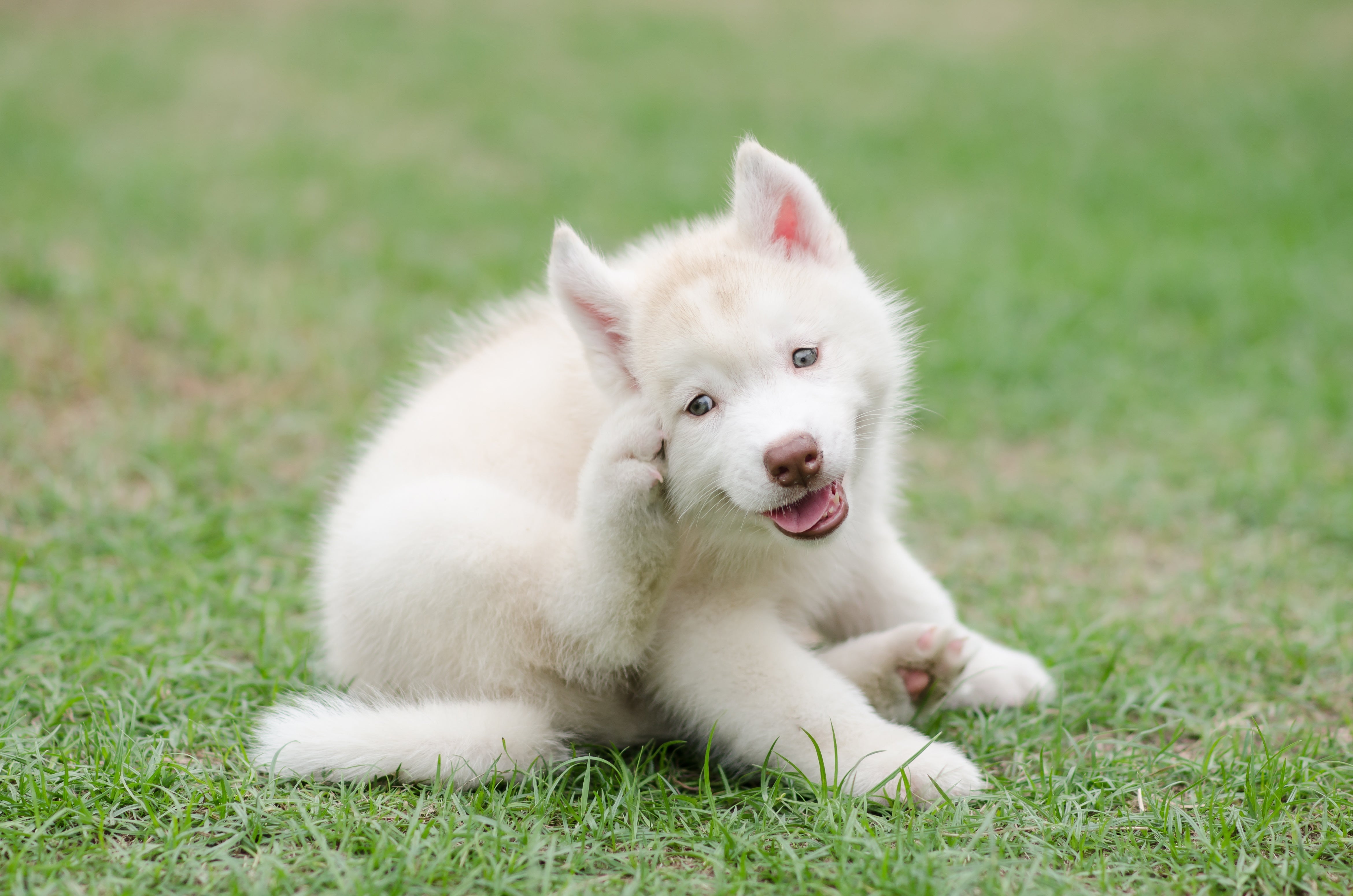
If your dog is constantly scratching or licking, learn the most common reasons dogs become itchy and what those symptoms may be signaling.