




Why Is My Dog So Itchy? Understanding the Most Common Causes
Table of Contents:
- What Itching in Dogs Is Telling You
- The Most Common Reasons Dogs Become Itchy
- Why Some Dogs Itch All the Time
- Why Itching Can Come and Go
- Supporting Skin Health When Your Dog Is Itchy
- When to Talk to a Veterinarian
- How This Fits Into the Bigger Picture
- Summary
- Frequently Asked Questions
Key Takeaways
- 🐶 Itching is a symptom, not a diagnosis. It signals the skin is under stress — not a standalone condition.
- 🐾 Common causes overlap. Dryness, barrier disruption, environmental exposure, grooming routines, and parasites are the most frequent contributors.
- 🪰 Parasites are a major culprit. Fleas, mites, and other pests can trigger intense itching, sometimes without visible signs of infestation.
- 💢 Chronic itch is usually multifactorial. Ongoing itching often involves several contributing factors at once, not just one.
- 🛁 Patterns matter. Itching that worsens seasonally, after baths, or at night points to underlying skin stress rather than a new problem.
- 🩺 Know when to call the vet. Sudden, severe itching, hair loss, sores, or behavioral changes warrant professional evaluation.
If You’re Asking This Question, You’re Not Overreacting
When a dog won’t stop scratching, licking, or chewing at their skin, it’s natural to worry. Many pet parents wonder whether itching is normal or something to be concerned about.
Occasional scratching happens. Persistent itching does not usually happen without a reason. Behaviors such as dog scratching and constant licking are signs that should not be ignored, as they may indicate underlying issues like allergies, parasites, or skin infections.
This article breaks down the most common causes of itching in dogs and explains what those behaviors may be signaling about what’s happening in the skin.
What Itching in Dogs Is Telling You
Itching is a response, not a condition
Pruritis is the skin’s way of reacting to irritation or imbalance. It is not a diagnosis on its own. Instead, it is a signal that the skin is under stress. Dogs may show this through:
- Repeated scratching in the same areas
- Licking paws, legs, or belly
- Chewing at the tail base or sides
- Rubbing against furniture or carpets
Understanding why your dog is itchy starts with understanding what commonly disrupts skin balance. Dog itchiness can be caused by a variety of skin disorders, and vets diagnose these conditions to determine the best course of action.

The Most Common Reasons Dogs Become Itchy, Including Skin Infections
Dry or dehydrated skin
Dry skin is one of the most overlooked causes of itching. When the skin lacks moisture, it becomes fragile and more reactive, which can trigger scratching even without visible redness or flakes. Low humidity, indoor heating, or frequent washing can all contribute to dryness. Using a moisturizing shampoo can help alleviate dryness and reduce itching.
Skin barrier disruption
The skin barrier helps regulate moisture and protect against irritants. When this barrier is weakened, the skin becomes more sensitive and prone to itching. Barrier disruption can happen gradually and may not be obvious at first. Dietary supplements containing fatty acids, such as omega-3s, can help restore the skin barrier and reduce sensitivity.
Environmental exposure and environmental allergies
Pollen, dust, grass, cleaning residues, and urban pollutants can all interact with the skin. Other environmental allergens, such as mold and airborne particles, as well as seasonal allergies—especially during spring and fall—can also contribute to increased itching in dogs. Even dogs without diagnosed allergies may itch more when exposure increases. Environmental stress often affects dogs seasonally or during routine changes.
Grooming and care routines
Over-bathing, under-conditioning, or using products not formulated for canine skin can strip protective oils and disrupt balance. Even well-intentioned grooming changes can temporarily increase itchiness.
Repeated minor irritation
Small, repeated stressors such as friction, residue buildup, or inconsistent routines can add up over time. The skin becomes more reactive with each cycle.
Parasites and pests
Parasites and pests are among the most common—and frustrating—causes of itchy skin in dogs. When your furry friend is dealing with intense itching, frequent scratching, or sudden skin irritation, tiny invaders like fleas, mites, and other parasites are often to blame.
Fleas are a leading culprit, and even a single flea bite can trigger a powerful allergic reaction known as flea allergy dermatitis. Dogs with this sensitivity react to flea saliva, leading to severe itching, red skin, and sometimes hair loss—especially around the tail base, groin, and belly. What’s tricky is that you might not always see fleas or flea dirt, but the allergic reaction can still cause your dog to be extremely itchy.
Other parasites, such as ticks, lice, and ear mites, can also cause skin allergies and irritation. Ear mites, in particular, often lead to itchy ears, frequent scratching, and even ear infections. Sarcoptic mange (caused by microscopic mites) is another skin disease that results in intense itching, hair loss, and red, irritated skin. This condition is highly contagious and requires prompt veterinary attention.
Environmental allergens like dust mites and mold spores can also trigger skin allergies, especially in dogs with sensitive skin. These environmental allergens may not be visible, but they can cause ongoing skin irritation and frequent scratching.
Diagnosing the underlying cause of your dog’s itchy skin often involves a combination of skin scrapings, physical examination, and sometimes blood tests. Identifying whether the itchiness is due to parasites, environmental allergens, or secondary skin infections (such as bacterial infections, yeast infections, or fungal infections) is key to finding the right treatment.
Flea prevention is essential for dogs prone to flea allergy dermatitis. Regular use of flea preventatives—whether topical treatments or oral medications—can help protect your dog from flea bites and reduce the risk of intense itching. Treating your home and yard is also important to eliminate fleas and other pests from your dog’s environment.
When parasites or pests are the cause, veterinarians may recommend a combination of medicated shampoos, flea preventatives, and anti-itch medications. In severe cases, allergy shots or immunotherapy may be needed to help desensitize your dog to specific allergens. For ongoing support, fatty acid supplements and moisturizing shampoos can help soothe sensitive skin and promote coat health. Some pet parents also explore natural remedies to provide itch relief and support skin resilience.
If your dog is experiencing frequent scratching, hair loss, or other symptoms of skin irritation, it’s important to work closely with your veterinarian. With the right diagnosis and treatment options, you can help your dog find relief from itchy skin and prevent more serious skin conditions from developing. Regular check-ups, preventative care, and a focus on your dog’s overall coat health are the best ways to keep your furry friend comfortable and happy.
Why Some Dogs Itch All the Time
Chronic itch is often multifactorial
When itching is ongoing, it is rarely caused by a single factor. More often, it reflects multiple contributors happening at once, such as dryness combined with environmental exposure.
In these cases, addressing only one factor may provide limited relief. Identifying all contributing factors is essential for determining the appropriate treatment.
Why Itching Can Come and Go
Timing and patterns matter
Many pet parents notice that itching:
- Worsens during certain seasons
- Flares after baths or grooming changes
- Appears more noticeable at night
These patterns often point to skin stress rather than sudden new problems.
Supporting Skin Health When Your Dog Is Itchy
Focus on skin resilience, not quick fixes
Rather than trying to stop scratching directly, many pet parents focus on supporting overall skin health.
This often includes:
- Maintaining hydration
- Preserving the skin’s protective barrier
- Avoiding unnecessary irritation
Some dogs benefit from gentle, barrier-conscious topical routines designed specifically for canine skin, used consistently over time. When multiple factors are contributing to itch, many pet parents choose to start with a consistent skin-care routine rather than addressing symptoms one at a time, such as a Skin & Coat Care Kit.

When to Talk to a Veterinarian
If itching is sudden, severe, or accompanied by hair loss, open sores, or behavioral changes, a veterinarian should be consulted. Persistent itch can sometimes indicate underlying conditions that require professional evaluation. Secondary infections, frequent ear infections, or problems with the ear canals may also require veterinary attention.
This article is meant to inform and support, not diagnose. Veterinarians may use blood tests and allergy tests to identify the underlying cause of your dog's symptoms, including ear infection.
How This Fits Into the Bigger Picture
This article focuses on the most common reasons dogs become itchy. For a deeper understanding of how dryness, sensitivity, and skin barrier health all connect, see the full pillar guide on itchy, dry, and sensitive dog skin.
Want more science-backed guidance on managing itchy, sensitive skin? Join the Welltayl newsletter for practical tips on skin barrier health, hydration, and preventative care—so you can support your dog’s skin with clarity and confidence.
In Summary
When a dog is itchy, it is usually a sign that the skin is under stress. Dryness, barrier disruption, environmental exposure, and routine changes are among the most common causes. Understanding these contributors can help pet parents make calmer, more informed decisions about skin care.
For a broader overview of why itching happens and how to approach long-term skin support, see our guide to itchy dog skin and what causes it.
Frequently Asked Questions
Is it normal for dogs to scratch every day?
Occasional scratching is normal, but frequent or repetitive itching usually signals skin imbalance or irritation.
Can my dog be itchy even if their skin looks normal?
Yes. Some dogs show signs of itch through behavior before visible changes like redness or flaking appear.
Why does my dog lick their paws so much?
Paw licking is a common sign of skin sensitivity or irritation and is often related to environmental exposure or barrier stress.
Does diet always cause itching in dogs?
Not always. While diet can play a role for some dogs, many cases of itching are linked to skin barrier health and environmental factors.
Why does my dog itch more after a bath?
Bathing can temporarily dry the skin or disrupt protective oils, especially if products are not formulated for canine skin.
Resources:
- “Itching (Pruritus) in Dogs,” Merck Veterinary Manual — merckvetmanual.com
- “Cytopathology of Parasitic Dermatitis in Dogs,” Journal of Parasitic Diseases — onlinelibrary.wiley.com
- “Cytopathology of Parasitic Dermatitis in Dogs,” Journal of Parasitic Diseases — pubmed.ncbi.nlm.nih.gov
- “Cytopathology of Parasitic Dermatitis in Dogs,” Journal of Parasitic Diseases — ncbi.nlm.nih.gov
- “Ticks of Dogs,” Merck Veterinary Manual — merckvetmanual.com
- “Mange in Dogs and Cats,” Merck Veterinary Manual — merckvetmanual.com
- “Risk Factors Associated With Canine Atopic Dermatitis,” Animals (MDPI) — mdpi.com
Read more

Learn why dogs develop itchy, dry skin and how to support skin health by addressing common triggers like barrier damage and moisture loss.
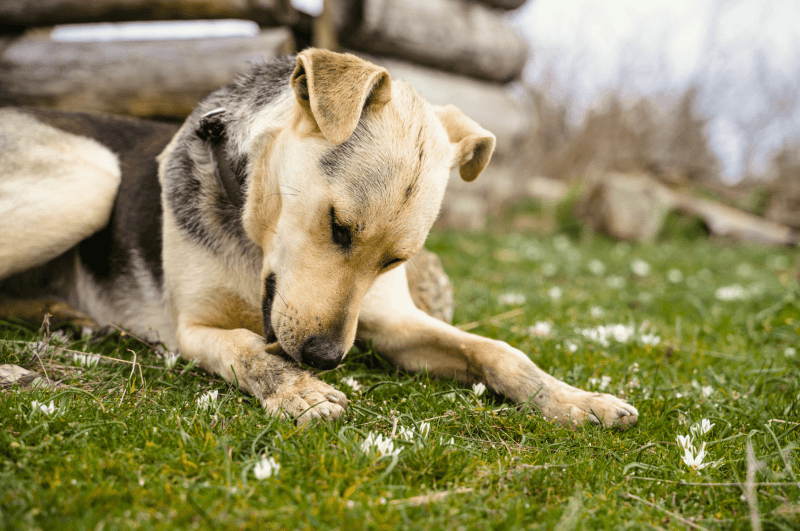
Dry skin and allergies can look similar in dogs. Learn how to tell the difference and what each may be signaling about skin health.