


Dry Skin vs. Allergies in Dogs: How to Tell the Difference
Table of Contents
-
What Dry Skin Looks Like in Dogs
-
What Allergy-Related Skin Sensitivity Looks Like
-
Key Differences Between Dry Skin and Allergies
-
Can a Dog Have Both Dry Skin and Allergies?
-
Why Supporting the Skin Barrier Matters in Both Cases
-
When to Seek Veterinary Guidance
-
Summary
- Frequently Asked Questions
Key Takeaways
- 🚨 Dry skin and allergies often look alike, but aren't the same. Dry skin is a barrier issue; allergies are an immune response.
- 👀 Timing offers clues. Dry skin worsens in winter or after bathing; allergies often follow seasonal patterns.
- ☝️ Texture differs. Dry skin feels rough or flaky; allergy-affected skin looks red and inflamed.
- 🐾 The two often overlap. A weak barrier lets allergens penetrate more easily, intensifying reactions.
- 🧴Barrier support helps both. Hydration and barrier care improve comfort regardless of the cause.
- 🩺 Know when to call the vet. Severe itching, hair loss, sores, or behavior changes need evaluation.
Why These Two Get Confused So Often
When a dog is itchy, flaky, or uncomfortable, many pet parents immediately assume allergies. While allergies do affect some dogs, dry skin is often overlooked and can cause very similar signs. Understanding the difference matters because dry skin and allergies stress the skin in different ways and may require different supportive approaches.

What Dry Skin Looks Like in Dogs
Dry skin is a barrier issue
Dry skin occurs when the skin does not retain enough moisture. This often reflects a weakened skin barrier rather than an immune response. Common signs of dry skin include:
- Fine flakes or dandruff
- Dull or brittle coat texture
- Mild redness or tight-looking skin
- Itching that worsens in dry conditions
Dry skin may be more noticeable during colder months, in low-humidity environments, or after frequent bathing.

What Allergy-Related Skin Sensitivity Looks Like
Allergies involve heightened skin reactivity
Allergy-related itchiness is linked to how the body reacts to certain environmental or dietary exposures. This reaction often increases inflammation and sensitivity in the skin. Common signs associated with allergies include:
- Persistent itching in specific areas such as paws, ears, or belly
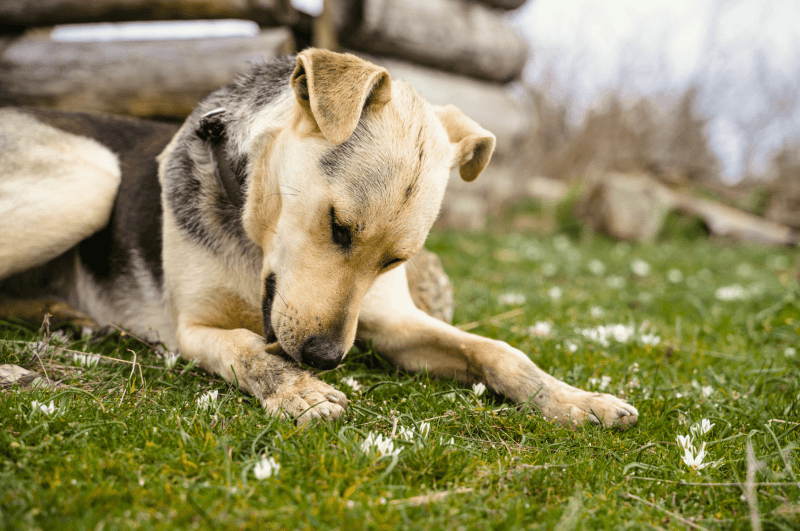
- Licking or chewing that becomes habitual
- Seasonal flare-ups that repeat year after year
- Skin that looks irritated even when well moisturized
Allergies and dry skin can overlap, which is why the distinction is not always clear-cut.
Key Differences Between Dry Skin and Allergies
Pattern and timing
Dry skin often worsens in winter or after bathing, when moisture loss increases. Allergy-related itching may follow more predictable seasonal patterns or flare with exposure.
Texture and appearance
Dry skin tends to feel rough or flaky. Allergy-related skin may look redder, warmer, or more inflamed even without visible flakes.
Consistency of symptoms
Dry skin symptoms may fluctuate with humidity, grooming routines, or topical care. Allergy-related symptoms often persist unless triggers change. These differences are not diagnostic, but they can offer helpful context.
Can a Dog Have Both Dry Skin and Allergies?
Yes, and it is common
Dry skin and allergies are not mutually exclusive. In fact, a weakened skin barrier can make allergic reactions feel more intense. When the skin barrier is compromised, allergens penetrate more easily, increasing irritation and itch. This is why many skin care approaches focus first on supporting the barrier, regardless of the underlying trigger.
Why Supporting the Skin Barrier Matters in Both Cases
Barrier health is foundational
Whether itching is driven by dryness, allergies, or a mix of both, the skin barrier plays a central role. In both cases, supporting the skin barrier through ongoing hydration can help improve overall skin comfort.
Supporting barrier function helps:
- Reduce moisture loss
- Improve skin resilience
- Decrease sensitivity to environmental stressors
Many pet parents focus on gentle routines and barrier-conscious topical care to help maintain skin comfort over time.
When to Seek Veterinary Guidance
If itching is severe, persistent, or accompanied by hair loss, open sores, or changes in behavior, a veterinarian should be consulted. Determining whether allergies are involved may require professional evaluation. This article is intended to help with understanding, not diagnosis.
Still unsure whether your dog’s skin is reacting to dryness, allergies, or both? Join the Welltayl newsletter for science-backed guidance on skin barrier health, hydration strategies, and long-term support for sensitive skin—so you can make more informed, confident decisions about your dog’s care.
In Summary
Dry skin and allergies can cause similar itching in dogs, but they affect the skin in different ways. Dry skin is often related to moisture loss and barrier weakness, while allergies involve heightened skin reactivity. Supporting the skin barrier can be helpful in both situations. If you're exploring the broader reasons dogs develop itchy skin, our complete guide to itchy skin in dogs explains the bigger picture.
Frequently Asked Questions
How can I tell if my dog has dry skin or allergies?
Looking at patterns such as seasonality, coat texture, and when itching worsens can offer clues, but the two can overlap.
Can dry skin make allergy symptoms worse?
Yes. A weakened skin barrier can allow irritants to penetrate more easily, increasing overall sensitivity.
Does flaky skin always mean dry skin?
Not always. Flaking can occur for different reasons, which is why context and patterns matter.
Can allergies show up as dry skin?
Allergies can sometimes lead to dryness over time, especially if the skin barrier becomes compromised.
Should dry skin and allergies be approached differently?
They can require different strategies, but both benefit from gentle, barrier-supportive skin care routines.
Resources:
Read more

If your dog is constantly scratching or licking, learn the most common reasons dogs become itchy and what those symptoms may be signaling.
Choosing a shampoo for itchy, sensitive dogs can be confusing. Learn what matters most when selecting a gentle, skin-supportive formula.