


Flaky Skin on Dogs: Understanding Red or Crusty Conditions
Table of Contents
- What Does Flaky, Red, or Crusty Skin Look Like?
- Common Causes of Flaky or Irritated Dog Skin
- Why Skin Problems Often Keep Coming Back
- Supporting Flaky or Sensitive Dog Skin
- The Connection Between Skin Appearance and Skin Health
- When to See a Veterinarian
- In Summary
- Frequently Asked Questions
Key Takeaways
- 💥 Flaky, red, or crusty skin is rarely one thing. Dryness, environment, seasonal shifts, and barrier disruption often overlap.
- 🚨 Don't assume it's just dry skin. Visible flaking can stem from several different underlying factors.
- ☝️ Scratching makes it worse. Repeated licking or scratching creates a cycle of escalating inflammation.
- ❗️ Recurring symptoms mean the root cause is still there. Temporary improvement doesn't mean the underlying sensitivity has resolved.
- 🧴 Consistent care beats reactive treatment. Protecting the skin barrier and maintaining moisture balance helps prevent flare-ups.
- 🩺 Know when to call the vet. Sores, hair loss, infection, or worsening symptoms need professional attention.
Introduction
Flaking, redness, and crusty patches are some of the most common visible signs of skin irritation in dogs. Sometimes these symptoms appear suddenly, while other dogs experience recurring skin problems that seem to come and go over time.
Many pet owners assume flaky or irritated skin is simply “dry skin,” but skin changes can happen for a variety of reasons. Environmental exposure, seasonal conditions, excessive scratching, grooming habits, and underlying skin sensitivities may all contribute to visible irritation.
In recent years, growing awareness around sensitive skin in dogs has shifted how many owners think about skin health overall. Rather than viewing skin issues as isolated problems, more people are beginning to recognize how barrier health, irritation, and recurring sensitivity can all be connected.
Understanding what flaky, red, or crusty skin may indicate can help owners better support their dog’s long-term skin comfort.
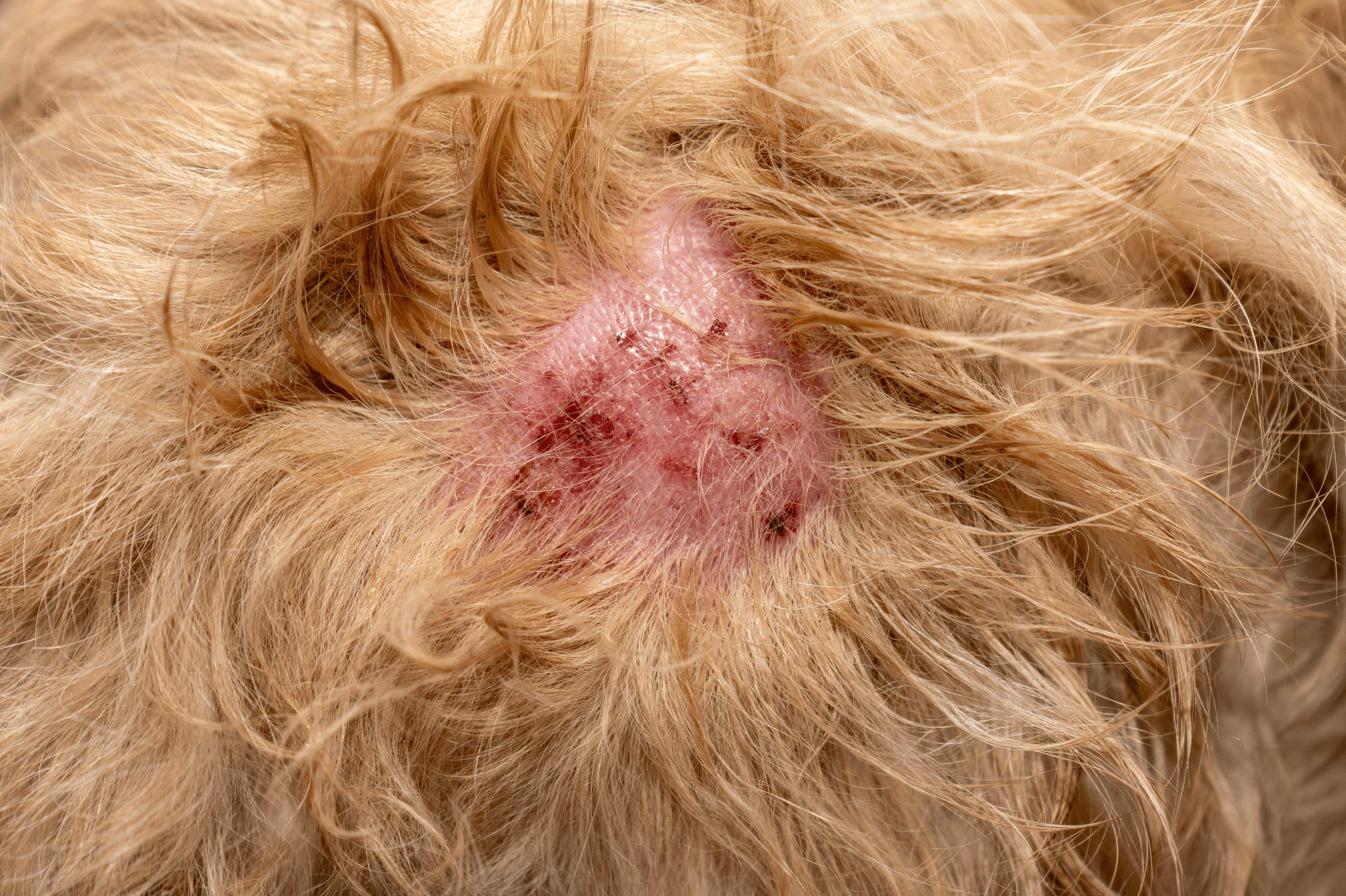
What Does Flaky, Red, or Crusty Skin Look Like?
Skin irritation does not always appear the same in every dog. Common signs may include:
- White or grey flakes of visible dandruff
- Dry-looking skin
- Red or inflamed areas
- Rough or crusty patches
- Thickened skin
- Scabbing from scratching
- Hair thinning near irritated areas
- Excessive licking or rubbing
- Sensitive areas around the ears, paws, belly, or joints
- Pimples or small bumps
- Odor or a greasy feel to the coat
- Scabs, scaliness, and cracked skin
Dry skin may be localized to one area, such as the paws or base of the tail, or it can affect multiple areas of the body. Some dogs experience mild flaking occasionally, while others develop recurring irritation that becomes more noticeable over time.
Common Causes of Flaky or Irritated Dog Skin
There is rarely one single explanation for skin irritation. Often, multiple factors may be contributing at once.
Dry Skin
Dryness is one of the most common causes of visible flaking. Cold weather, indoor heating, low humidity, and frequent bathing may all reduce moisture in the skin. When skin becomes overly dry, it may appear flaky, rough, or dull.
Skin Barrier Disruption
The skin barrier helps protect against moisture loss and outside irritants. When the barrier becomes weakened, skin may become more reactive and uncomfortable.
This can contribute to:
- Increased flaking
- Redness
- Irritation
- Sensitivity
- Recurring itching
Dogs with sensitive skin may struggle to maintain proper skin balance when the barrier is repeatedly stressed.
Environmental Irritation
Grass, pollen, dust, household cleaners, fragrances, and outdoor debris may all contribute to irritation in some dogs. Even everyday exposure can sometimes trigger redness or discomfort in already-sensitive skin.
Excessive Scratching or Licking
When dogs scratch or lick repeatedly, the skin can become increasingly inflamed over time. This may lead to raw areas, crusting, or scabbing. The more irritated the skin becomes, the more likely dogs are to continue scratching, creating an ongoing cycle.
Seasonal Changes
Many dogs experience worsening skin symptoms during seasonal transitions. Winter dryness, spring allergens, summer heat, and fall environmental changes may all affect skin comfort. Some flare-ups appear temporary, while others return consistently during certain times of year.
Harsh Grooming Products
Products that are too harsh for canine skin may contribute to dryness or irritation, particularly in dogs already prone to sensitivity. Over-cleansing or using products not formulated for dogs may sometimes leave the skin feeling stripped or reactive afterward.

Why Skin Problems Often Keep Coming Back
Recurring skin issues are extremely common. In many cases, symptoms temporarily improve before returning because the underlying skin sensitivity has not fully resolved. Environmental exposure, scratching, dryness, and barrier imbalance may continue affecting the skin over time.
Many dogs experience a repeating cycle:
- Skin becomes irritated
- Scratching or licking increases
- The barrier becomes more compromised
- Skin becomes increasingly reactive
This is one reason why long-term skin support and gentle maintenance routines are often important for dogs with sensitive skin.
Supporting Flaky or Sensitive Dog Skin
Supporting skin health often involves reducing unnecessary irritation while helping maintain moisture balance and overall skin comfort. Helpful approaches may include:
- Using gentle grooming products designed for sensitive skin
- Avoiding over-bathing
- Keeping the coat clean without stripping moisture
- Monitoring environmental triggers
- Supporting the skin barrier through consistent care
- Wiping down paws and coat after outdoor exposure
- Maintaining a consistent grooming routine
- Many owners focus only on visible flakes or redness, but supporting overall skin balance may be equally important.
A gentle, skin-supportive grooming routine may help reduce unnecessary irritation while supporting moisture balance in sensitive dogs. Using products formulated for sensitive skin may help support the skin barrier without over-stripping moisture from the coat and skin.
If you want to better understand why dogs develop recurring itching, dryness, or sensitivity in the first place, our guide on itchy, dry, and sensitive dog skin explains the broader connection between skin barrier health and irritation.
The Connection Between Skin Appearance and Skin Health
Flaking and redness are not always just cosmetic concerns. The skin acts as a protective barrier that helps regulate moisture and environmental exposure.
When skin becomes stressed or imbalanced, dogs may become more prone to:
- Dryness
- Irritation
- Itching
- Sensitivity
- Recurring flare-ups
This is why many modern approaches to canine skin wellness focus on maintaining skin balance, not simply masking visible symptoms.
When to See a Veterinarian
Some mild dryness or irritation may improve with routine skin support, but veterinary evaluation is important if symptoms become severe or persistent. You should contact your veterinarian if your dog has:
- Open sores
- Bleeding or infected skin
- Severe redness or swelling
- Significant hair loss
- Painful crusting
- Persistent hot spots
- Worsening symptoms
- Behavioral changes or discomfort
A veterinarian can help determine whether underlying medical conditions, infections, allergies, or parasites may be contributing to the skin changes.
Want more guidance on sensitive dog skin, barrier health, and gentle grooming routines? Subscribe to our newsletter for skin health education, seasonal care tips, and updates designed to help support your dog’s long-term skin comfort.
In Summary
Flaky, red, or crusty dog skin can happen for many different reasons, including dryness, irritation, environmental exposure, seasonal changes, scratching, and skin barrier disruption.
While symptoms may appear mild at first, recurring skin irritation can become cyclical over time. Gentle skin support and maintaining overall skin balance may help support long-term skin comfort in sensitive dogs.
Frequently Asked Questions About Flaky or Irritated Dog Skin
Why does my dog have flaky skin?
Flaky skin in dogs can be caused by dryness, environmental irritation, seasonal changes, excessive scratching, or underlying skin sensitivities.
Is flaky skin the same as dandruff in dogs?
In many cases, yes. Visible flakes on the coat are commonly referred to as dandruff, though the underlying cause can vary.
Why is my dog’s skin red and irritated?
Redness usually indicates inflammation or irritation. This can happen from scratching, environmental exposure, harsh grooming products, or underlying sensitivities.
Can dry weather cause flaky skin in dogs?
Yes. Cold weather, indoor heating, and low humidity may all contribute to dryness and flaking.
Why does my dog keep scratching the same area?
Repeated scratching may further irritate the skin and create an ongoing cycle of inflammation and discomfort.
Can grooming products make dog skin worse?
Some products may be too harsh for sensitive dogs and can contribute to dryness or irritation over time.
When should I contact a veterinarian?
You should contact your veterinarian if symptoms become severe, persistent, painful, or involve open sores, infection, significant hair loss, or worsening irritation.
Read more
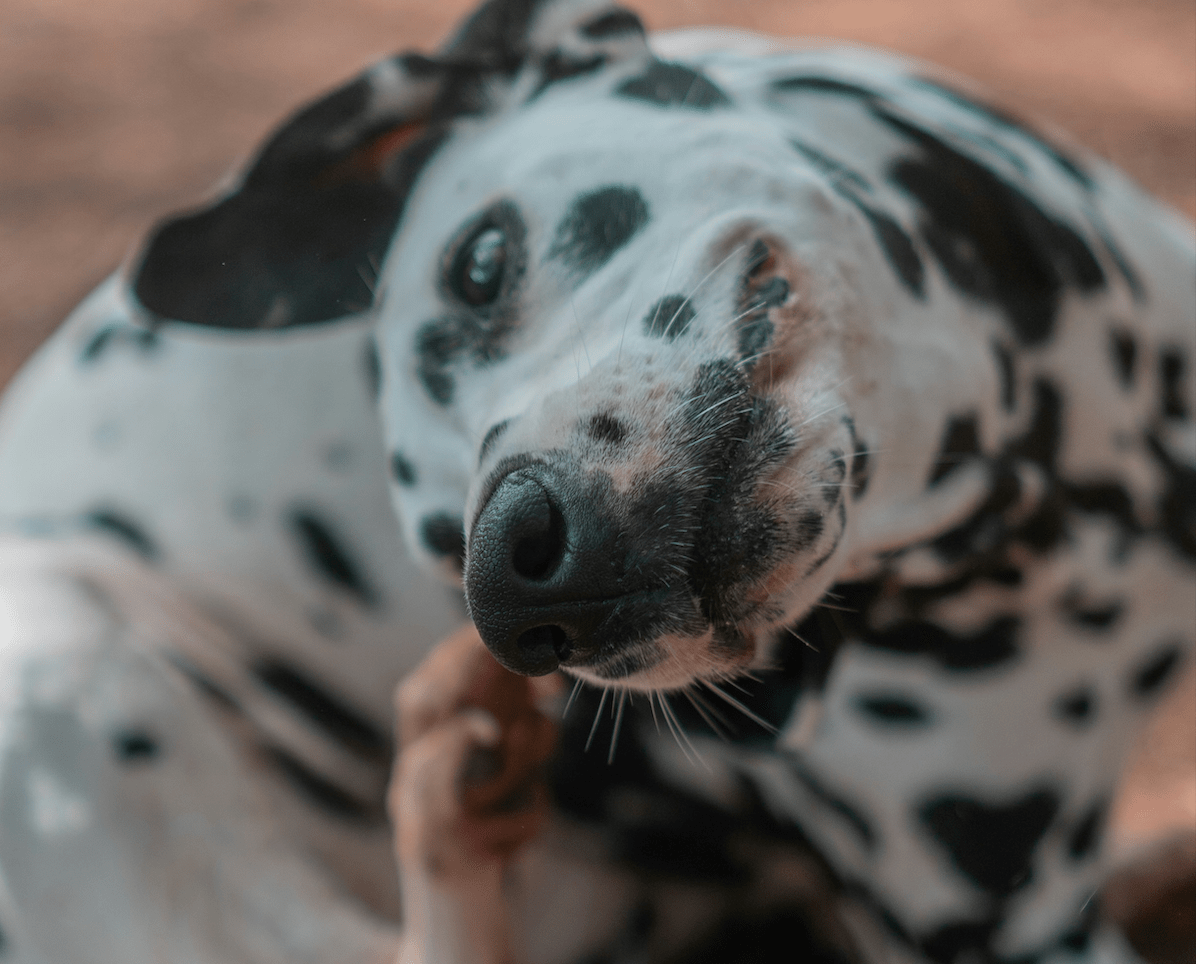
Learn how to recognize common dog skin problems like flakes, redness, sores, shedding, and irritation, and how to support skin health at the source.
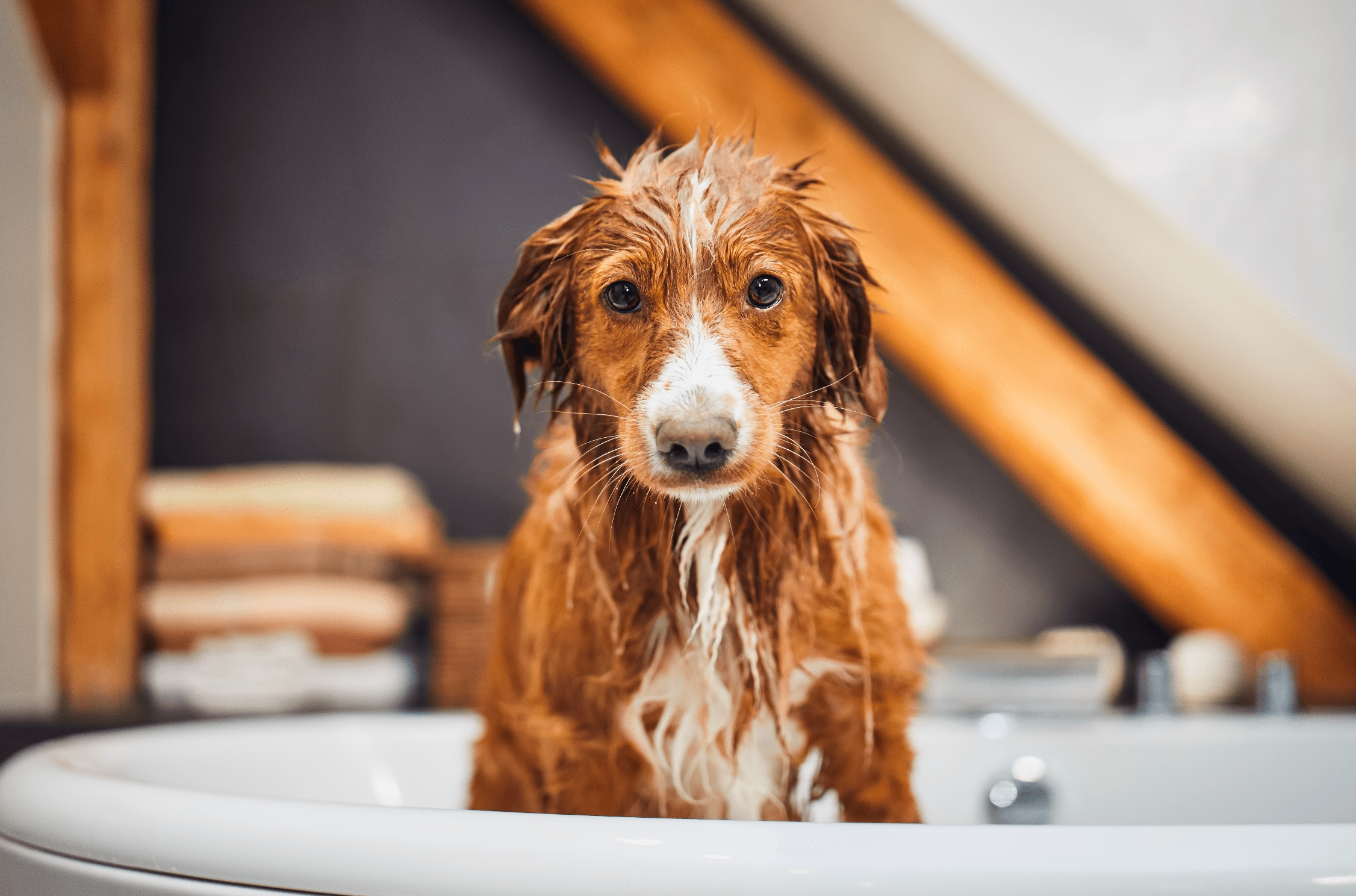
Learn what to look for in a shampoo for itchy or sensitive dogs, including gentle cleansing, moisture balance, and skin barrier support for long-term skin comfort.