



Skin Barrier Function Explained: Why It Matters for Healthy Dog & Cat Skin
Table of Contents
- What Is Skin Barrier Function?
- The Structure of the Skin Barrier
- What Skin Barrier Function Does
- What Happens When Skin Barrier Function Is Compromised?
- Common Causes of Skin Barrier Stress in Dogs and Cats
- Skin Barrier Function in Dogs vs. Cats
- Why Skin Barrier Health Is Central to Many Skin Symptoms
- Supporting Healthy Skin Barrier Function
- When to Talk to a Veterinarian
- In Summary
- FAQs
Key Takeaways
- 💢 The skin barrier keeps moisture in and irritants out—when it weakens, dryness, itching, and sensitivity follow.
- 💦 Barrier health depends on lipids like ceramides and is measured by transepidermal water loss (TEWL).
- 🚨 Common stressors include over-bathing, harsh cleansers, low humidity, and conditions like atopic dermatitis.
- 🧴 Most skin symptoms trace back to barrier dysfunction—consistent, gentle routines support long-term recovery.
- 🩺 Severe or persistent symptoms warrant a vet visit.
What Is Skin Barrier Function?
Skin barrier function refers to the skin’s ability to protect the body while maintaining internal balance. The skin is the body's largest organ and serves as a primary protective barrier. In both dogs and cats, the skin barrier is the outermost layer of the skin that helps keep moisture in and external irritants out.
When skin barrier function is strong, skin stays hydrated, resilient, and comfortable. When it becomes compromised, dryness, sensitivity, and itching often follow. Permeability barrier homeostasis refers to the dynamic process by which the skin maintains its barrier integrity despite internal and external stressors.
Understanding skin barrier function helps explain why many common skin symptoms share the same underlying root. Barrier dysfunction, resulting from disrupted homeostasis, can lead to skin conditions such as atopic dermatitis and psoriasis.
The Structure of the Skin Barrier
The Stratum Corneum: The Outer Protective Layer
The outermost layer of the skin is called the stratum corneum (SC). This layer plays the central role in skin barrier function. SC integrity is crucial for effective barrier function; disruptions in SC integrity can lead to increased susceptibility to irritation and infection.
It is often described as a “brick and mortar” structure:
- Corneocytes (skin cells) act as the bricks, with keratin filaments within these cells contributing to their strength and resilience
- Lipids act as the mortar that seals gaps between cells
This tightly packed structure slows water loss and limits penetration of irritants. Mechanical integrity of the stratum corneum is essential for withstanding physical stress and maintaining barrier function. Tight junctions between cells also help regulate permeability and maintain the barrier.
Lipids and Barrier Integrity
The lipids within the skin barrier include:
- Ceramides
- Cholesterol
- Fatty acids
- Free fatty acids
These components work together to maintain cohesion and flexibility. Enzymes such as acid sphingomyelinase are involved in producing ceramides from sphingomyelin, which is essential for barrier integrity. Lamellar bodies play a crucial role in delivering these lipids to the stratum corneum. Lipid processing enzymes are necessary for the synthesis and organization of these barrier lipids. When lipid balance is disrupted, barrier integrity weakens and moisture escapes more easily.
Transepidermal Water Loss (TEWL)
One of the primary measures of skin barrier function is transepidermal water loss (TEWL). TEWL is a direct indicator of the skin's permeability barrier function, reflecting how effectively the stratum corneum prevents excessive water loss and maintains barrier homeostasis.
TEWL refers to the passive movement of water from deeper layers of the skin to the surface, where it evaporates. Healthy skin barrier function keeps TEWL at controlled levels. When the permeability barrier becomes compromised, TEWL increases, leading to dryness and tightness.
What Skin Barrier Function Does
1. Prevents Moisture Loss
A properly functioning barrier reduces excessive water evaporation, helping the skin stay hydrated and flexible. Natural moisturizing factors, including amino acids, help retain water in the stratum corneum and support optimal skin hydration.
2. Protects Against External Stressors
The barrier limits penetration of:
- Dust
- Pollen
- Environmental debris
- Residue from grooming products
- Friction from surfaces
- UV rays
- Ultraviolet radiation
This protection helps reduce irritation and sensitivity. External factors such as UV rays, ultraviolet radiation, pollution, and dry air can disrupt the skin barrier and contribute to skin problems.
3. Maintains Skin Balance
Skin barrier function supports a stable environment that allows the skin to remain calm rather than reactive. Maintaining an optimal skin surface pH and acidic pH is essential for preserving the acid mantle, which protects against pathogens and supports crucial enzyme activity. Skin pH also influences the skin's microbial balance and overall barrier function.
What Happens When Skin Barrier Function Is Compromised?
When skin barrier function weakens, several changes can occur. Compromised barrier function can lead to inflammatory conditions and inflammatory dermatoses such as contact dermatitis, where immune dysregulation and cytokine involvement contribute to chronic skin inflammation. These changes are not just a cosmetic concern but can have significant health implications. Barrier dysfunction may also result in adverse effects such as increased risk of infection and chronic inflammation.
Increased TEWL
More water escapes from the skin, contributing to dryness and flaking.
Greater Sensitivity
Irritants can penetrate more easily into deeper skin layers, increasing reactivity.
Inflammation and Itch
Barrier disruption often precedes itching. Even without visible redness, compromised skin can feel uncomfortable. Skin aging can also contribute to increased inflammation and barrier dysfunction, leading to symptoms such as itch.
Microbiome Imbalance
The skin barrier interacts closely with the skin microbiome — the community of microorganisms that live on the skin’s surface. Disruption of the skin barrier can increase susceptibility to colonization by methicillin resistant Staphylococcus aureus (MRSA). When barrier function declines, microbiome balance may shift, increasing susceptibility to irritation. Antimicrobial peptides produced by skin cells play a key role in defending against harmful bacteria.

Common Causes of Skin Barrier Stress in Dogs and Cats
Skin barrier function can become stressed by multiple factors. These include environmental aggressors, harsh skincare products, and underlying skin conditions, all of which can disrupt permeability barrier homeostasis. Chronic barrier stress can lead to epidermal hyperplasia, a thickening of the skin associated with inflammation.
Environmental Conditions
- Low humidity
- Seasonal changes
- Indoor heating
- Extreme temperatures
These conditions increase moisture loss and strain barrier integrity. While normal skin maintains hydration and resilience, exposure to these factors can lead to dry skin and compromise the skin barrier function.
Over-Cleansing
Frequent bathing or harsh cleansing agents can strip natural lipids from the skin, weakening barrier cohesion. After over-cleansing, using ingredients like lactic acid can help restore skin barrier function and hydration.
Repeated Low-Level Irritation
Friction, residue buildup, and inconsistent routines can create cumulative stress over time.
Underlying Skin Conditions
Conditions such as atopic dermatitis or chronic inflammation may impair barrier function, increasing TEWL and sensitivity. Inflammatory dermatoses, such as atopic dermatitis, are common causes of impaired barrier function due to immune system dysregulation and chronic skin inflammation.
Skin Barrier Function in Dogs vs. Cats
Differences in Skin Thickness
Feline skin is generally thinner than canine skin. This means moisture loss may occur more quickly in cats when barrier function is compromised.
Differences in Behavior
Cats groom frequently, which can influence lipid distribution and barrier balance. Dogs experience more environmental friction and surface contact.
Despite these differences, healthy skin barrier function is equally important in both species.
Why Skin Barrier Health Is Central to Many Skin Symptoms
Many common skin concerns trace back to barrier imbalance rather than isolated surface issues. If you’re trying to understand how this connects to symptoms like itching, dryness, or sensitivity, our guide on why dogs become itchy and how the skin barrier works explains the bigger picture.
Maintaining optimal skin health and a skin healthy barrier is essential for preventing a wide range of skin symptoms. Symptoms often associated with compromised barrier function include:
- Dryness
- Flaking
- Dull coat
- Increased sensitivity
- Recurrent itching
Supporting skin barrier function addresses the underlying structure rather than reacting only to individual symptoms.
Supporting Healthy Skin Barrier Function
Barrier support focuses on stability and consistency. A consistent skincare routine and proper skin care are key to supporting and maintaining the skin barrier. Many pet parents prioritize:
- Gentle cleansing routines
- Avoiding unnecessary irritation
- Maintaining moisture balance
- Supporting lipid integrity
Consistency over time helps reduce repeated stress cycles. Supporting the skin barrier often involves simple, skin-appropriate routines designed to maintain hydration and resilience rather than quick corrections. For pet parents looking to build a more structured approach, a consistent skin and coat care routine can help support long-term barrier function.

When to Talk to a Veterinarian
If skin discomfort is severe, persistent, or accompanied by:
- Open sores
- Hair loss
- Behavioral changes
- Redness
- Skin color changes
- Oozing
- Bleeding
- Warm to the touch
Veterinary evaluation is important. Some conditions require professional diagnosis and treatment. This article is intended to educate, not diagnose. Want a Deeper Understanding of How Skin Actually Works? Join the Welltayl newsletter for science-backed insights into skin barrier health, moisture balance, and thoughtful routines that support long-term skin comfort in both dogs and cats.
In Summary
Skin barrier function describes how the outer layer of the skin keeps moisture in and irritants out. The barrier relies on tightly packed cells, lipids such as ceramides, and controlled transepidermal water loss. Supporting the barrier helps maintain long-term skin comfort.
Frequently Asked Questions About Skin Barrier Function
What is skin barrier function in simple terms?
It is the ability of the outermost layer of skin to prevent moisture loss and protect against environmental stressors.
Can compromised skin barrier function cause itching?
Yes. Increased water loss and irritant penetration can lead to sensitivity and itch.
Does skin barrier function differ in dogs and cats?
The basic structure is similar, but differences in skin thickness and grooming behavior affect how stress presents.
Can frequent bathing damage skin barrier function?
Over-cleansing or harsh routines can strip protective lipids and increase TEWL.
How long does it take to support barrier recovery?
Skin renewal takes time. Improvements often occur gradually over several weeks with consistent, gentle care.
Resources:
- "Structure of the Skin in Dogs," Merck Veterinary Manual
- "Structure of the Skin in Dogs," Merck Veterinary Manual
- "Structure of the Skin in Dogs," Merck Veterinary Manual
- "Defective Skin Barrier in Canine Atopic Dermatitis," Oregon Veterinary Medical Association
Read more
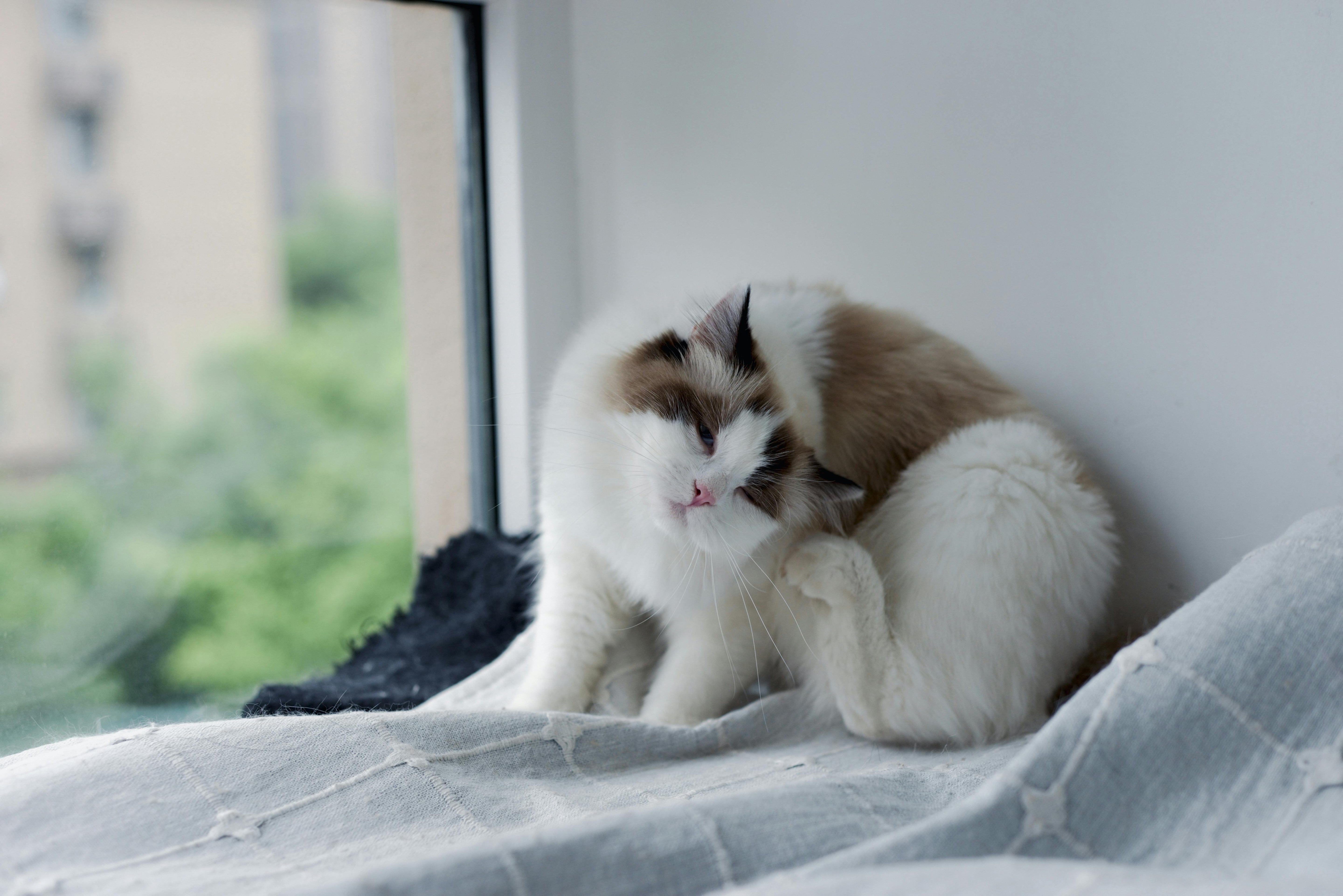
Itchy skin in cats is often overlooked because symptoms are subtle. Learn the most common causes and how to support healthy skin.

Learn why pH balance is essential for your dog's skin health, what causes disruption, and how to choose the right grooming products to keep your pet's skin barrier strong and comfortable.