






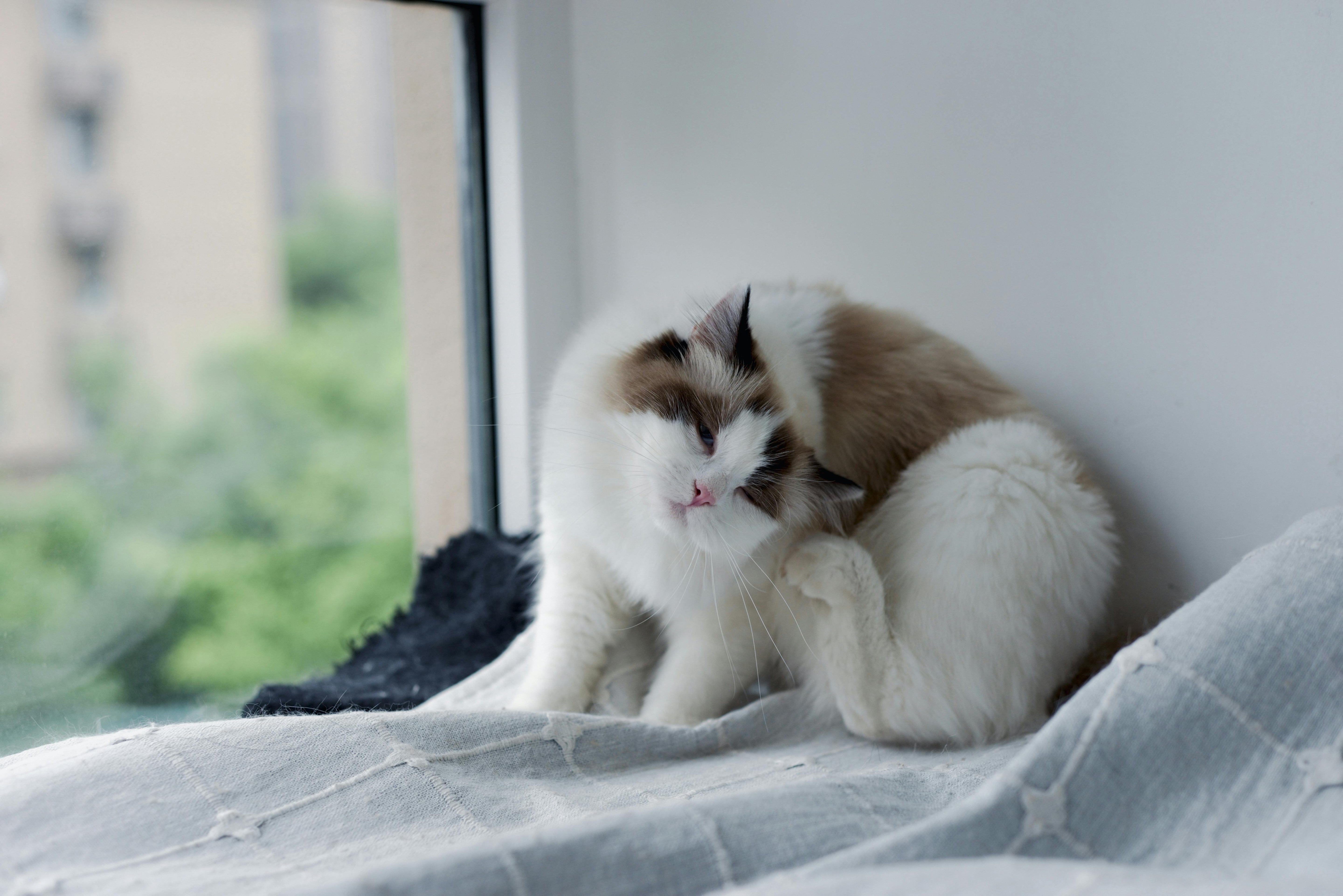
Cats Itchy Skin: Causes, Signs, and How It’s Different from Dogs
Table of Contents
- Why Itchy Skin in Cats Is Often Missed
- What Causes Itchy Skin in Cats?
- Fleas and Parasites
- Environmental Allergies
- Food Sensitivities
- Dry Skin and Moisture Imbalance
- Skin Infections
- How Cats Express Itch Differently Than Dogs
- How Feline Skin Differs from Canine Skin
- Signs of Itchy Skin in Cats
- Why Itchy Skin in Cats Is Often Normalized
- Supporting Skin Health in Cats
- When to Consult a Veterinarian
- In Summary
- Frequently Asked Questions
Key Takeaways
- 🐱 Cats often show itch through grooming, making it easy to miss.
- 🚨 Causes include fleas, allergies, dryness, and infections.
- ☝️ Feline skin is thinner and more sensitive to irritation.
- 💢 Signs include over-grooming, hair loss, and behavior changes.
- 💚 Consistent, gentle care supports skin health best.
- 🩺 Persistent symptoms should be evaluated by a veterinarian.
Why Itchy Skin in Cats Is Often Missed
When cats develop itchy skin, the signs rarely look like they do in dogs. While dogs scratch visibly and repeatedly, cats often express discomfort through grooming. The unpleasant sensation, known as pruritus, caused by skin issues often leads cats to groom excessively. This makes itchy skin harder to spot in cats compared to dogs.
Because grooming is normal feline behavior, itchy skin in cats can go unnoticed until coat thinning or irritation becomes visible. Understanding how cats experience skin discomfort helps pet parents recognize concerns earlier and respond more calmly.
What Causes Itchy Skin in Cats?
Itching in cats can be caused by a variety of factors, including underlying diseases, allergies, and skin problems. The causes of itching are often complex, and in many cases, more than one stressor may be involved. Identifying the underlying cause of itching in cats is essential for effective treatment and long-term relief.
1. Fleas and Parasites
Fleas are one of the most common causes of itchy skin in cats. Even indoor cats can be exposed. Some cats are highly sensitive to flea bites and may develop significant irritation from minimal exposure. External parasites such as fleas, ticks, and mites are common causes of itching in cats.
Other parasites, such as mites, can also contribute to itching and skin inflammation. Sarcoptic mange is a contagious skin condition caused by mites and can be a significant source of itching. Ear mites are a cause of ear inflammation (otitis externa) and itching in cats, often leading to scratching, ear shaking, and dermatitis around the head and neck.
Flea dirt can be an important indicator of flea infestation even if live fleas are not seen, and checking with a flea comb can help identify it. Additionally, some cats are allergic to flea saliva, which can make itching and irritation much worse.
2. Environmental Allergies
Just like dogs, cats can react to environmental triggers such as pollen, dust, mold, or seasonal changes. Atopic dermatitis is a chronic skin condition in cats caused by environmental allergens such as dust mites and pollen. These reactions may increase skin sensitivity and lead to excessive grooming. Allergy testing may be recommended by veterinarians to identify specific environmental triggers.
3. Food Sensitivities
Some cats develop skin discomfort related to diet, and food allergies can also contribute to skin discomfort in cats. Food-related irritation often presents as chronic itching or grooming rather than digestive symptoms alone.
A veterinary prescribed diet trial, where the cat's diet is strictly controlled and limited to hypoallergenic foods for six to eight weeks, can help identify food allergies as a cause of itching. This process involves monitoring your cat's diet closely and reintroducing previous foods to observe any changes in symptoms.
4. Dry Skin and Moisture Imbalance
Dry indoor air, especially during colder months, can contribute to moisture loss. Feline skin is thinner than canine skin, which makes it more prone to dryness and barrier disruption. Dry skin in cats may not always flake visibly but can still feel tight or uncomfortable.
5. Skin Infections
When skin becomes irritated repeatedly, skin infections in cats can be caused by bacterial infections, yeast infections, and fungal infections such as ringworm. Secondary infections, including bacterial and yeast infections, often develop as a result of allergies or other skin diseases. Skin infection is a common disease in cats and can complicate other skin diseases, increasing redness, inflammation, and discomfort.

How Cats Express Itch Differently Than Dogs
Cats Groom Instead of Scratch
Unlike dogs, cats rarely scratch persistently with their hind legs. Instead, itchy skin in cats often shows up as:
- Excessive licking or grooming
- Chewing at specific areas
- Thinning fur or bald patches
- Increased hairballs due to over-grooming
Because grooming is expected behavior, excessive grooming can be mistaken for normal habits.
Subtle Behavioral Changes
Cats may also show discomfort through:
- Restlessness
- Irritability
- Avoidance of touch
- Hiding more than usual
Cats instinctively hide discomfort, which means skin issues can progress quietly.
How Feline Skin Differs from Canine Skin
Feline skin is generally thinner and more delicate than dog skin. Cat's skin is not only thinner but also more prone to becoming itchy and irritated due to its sensitivity. This means:
- Moisture loss can happen more quickly
- Irritation may develop faster
- Harsh topical exposure can have a stronger effect
Cats also rely heavily on grooming for hygiene, which means anything applied to their coat may be ingested during grooming. This makes gentle, minimal intervention especially important. Supporting a cat's irritated skin requires gentle care and attention to their unique skin needs. For a deeper look at how itching develops and what healthy skin function looks like, explore our guide to itchy, dry skin in dogs.
Signs of Itchy Skin in Cats
If you suspect your cat has itchy skin, look for:
- Repeated grooming of the same area
- Fur thinning or patchy hair loss
- Small scabs or irritated spots
- Increased hairballs
- Sensitivity when touched
- Signs of irritated skin, such as redness or inflammation
- Other symptoms such as restlessness or changes in appetite
Not all cats scratch visibly. Behavioral observation matters.
Why Itchy Skin in Cats Is Often Normalized
Because grooming is expected behavior, mild itch may not raise concern immediately. Many cases of cats itchy skin are only identified after coat changes become visible. For most cats, an underlying problem may be present even if the signs are subtle. Early recognition helps prevent irritation from becoming more persistent.
Supporting Skin Health in Cats
When addressing itchy skin in cats, simplicity matters. Regular brushing is essential for maintaining your cat's skin health. It helps prevent matted fur and tangles, which can lead to skin irritation and discomfort. By removing dead fur and distributing natural oils, regular brushing supports your cat's health and can help prevent itching before it starts.
It's also important to work with your veterinarian to identify the underlying cause of your cat's itchy skin. This allows for the development of a proper treatment plan, which may include medical management for chronic or severe cases. Following the recommended treatment plan and ensuring proper treatment are key steps to prevent itching and maintain healthy skin.
Maintain Indoor Humidity
Dry indoor air can contribute to moisture imbalance. Supporting healthy humidity levels may help reduce dryness-related irritation.
Minimize Unnecessary Topical Exposure
Cats can be sensitive to residues from grooming products or household cleaners. Keeping routines simple and gentle reduces risk of additional irritation.
Support Skin Barrier Health
Healthy skin relies on a functional barrier that retains moisture and protects against environmental stress. Gentle, low-intervention routines tend to be better tolerated in cats than frequent product changes. Some pet parents opt for lightweight skin support that does not interfere with natural grooming behaviors. Consistency is often more effective than reactive adjustments.
When to Consult a Veterinarian
Veterinary guidance is important if a cat shows:
- Sudden hair loss
- Open sores or lesions
- Persistent scabbing
- Excessive licking or grooming
- Significant behavioral changes
- Severe or worsening irritation
Veterinarians may perform skin scrapings to identify parasites or infections as part of their diagnostic process. Obtaining a correct diagnosis is essential to ensure effective treatment and proper management of your cat's itchy skin. Because signs can be subtle in cats, earlier evaluation is often helpful. This article is intended to support awareness, not diagnose or replace veterinary care.
Want deeper insight into supporting your cat’s skin without disrupting their natural grooming habits? Join the Welltayl newsletter for science-backed guidance on feline skin barrier health, environmental balance, and gentle routines designed with sensitive cats in mind.
In Summary
Cats with itchy skin often show signs through excessive grooming rather than scratching. Common causes include fleas, environmental exposure, food sensitivities, dryness, and barrier imbalance. Because feline skin is thinner and more delicate, irritation can be easy to miss. Gentle, consistent support and early observation help maintain skin comfort.
Understanding itching in cats is important for pet parents to ensure their feline friend’s comfort and well-being.
Frequently Asked Questions
What causes itchy skin in cats?
Common causes include fleas, environmental allergies, food sensitivities, dryness, parasites, and skin infections.
How can I tell if my cat is itchy or just grooming?
Excessive focus on the same area, thinning fur, or increased hairballs may indicate discomfort rather than routine grooming.
Do indoor cats get itchy skin?
Yes. Indoor cats can experience dryness, environmental sensitivity, or flea exposure.
Can dry air cause itchy skin in cats?
Low humidity can contribute to moisture loss and increased skin sensitivity.
Is itchy skin in cats always allergies?
No. Many cases involve dryness, barrier imbalance, or environmental stress rather than true allergies.
Resources:
- “Skin Disorders in Cats,” Cornell Feline Health Center
- “Fleas: A Source of Torment for Your Cat,” Cornell Feline Health Center
Read more

If your dog’s itching keeps returning, learn why chronic skin irritation happens and what recurring itch may be signaling over time.
Learn how skin barrier function works in dogs and cats, why it breaks down, and how to support long-term skin health with gentle, consistent care routines.