

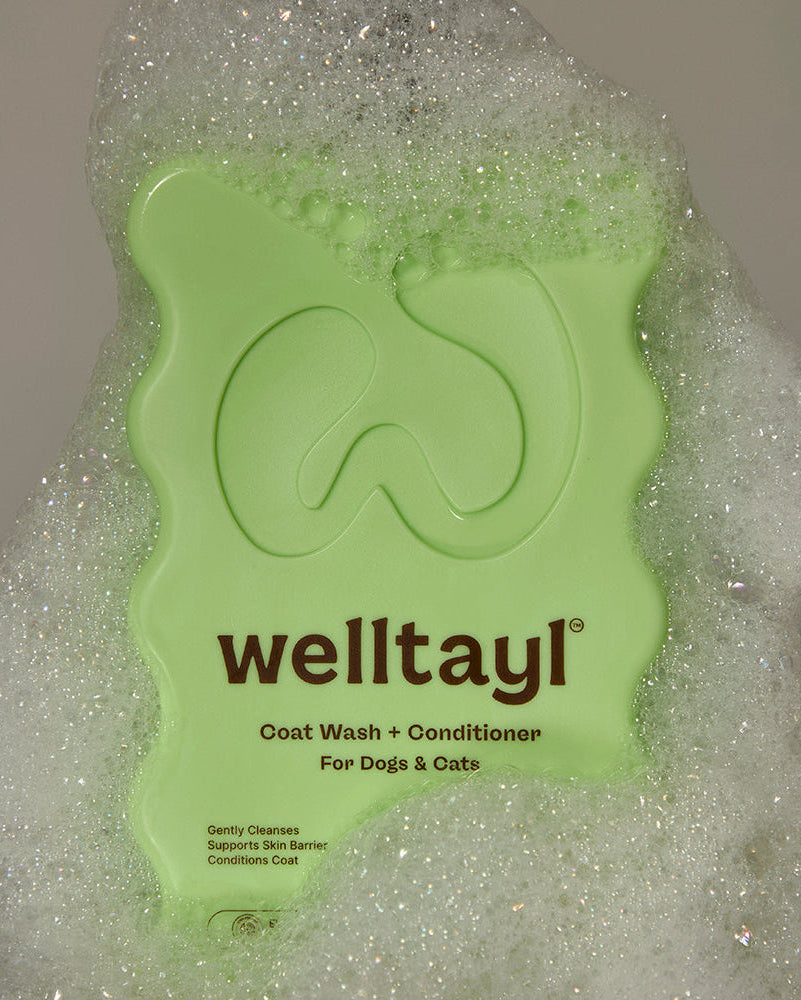
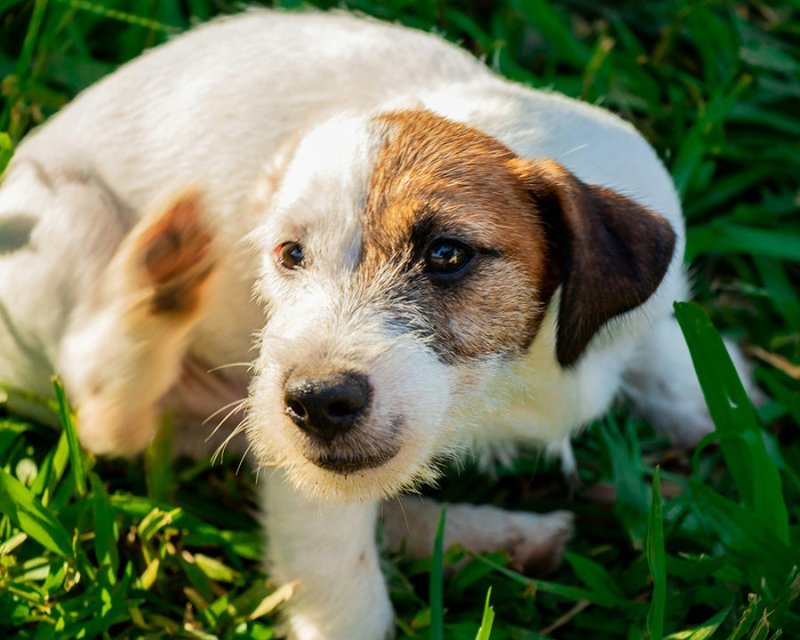
Can Dog Grooming Products Cause Skin Problems in Dogs?
Table of Contents
- How Grooming Products Interact With Dog Skin
- Signs a Grooming Product May Not Be Agreeing With Your Dog
- Common Ways Grooming Products May Contribute to Skin Irritation
- Why Some Dogs Are More Sensitive Than Others
- The Skin Barrier Connection
- Choosing Grooming Products for Dogs with Sensitive Skin
- When Grooming May Not Be the Main Cause
- The Connection Between Grooming and Recurring Skin Problems
- When to See a Veterinarian
- In Summary
Key Takeaways
- 🧴 Grooming products come into direct contact with the skin. What you use and how often can affect skin balance over time.
- 👀 Watch for post-grooming signals. Increased scratching, redness, flaking, or dullness after a bath may indicate a product isn't agreeing with your dog's skin.
- 🛁 Over-bathing is a real risk. Washing too frequently can strip the natural oils that support moisture and skin comfort.
- 💢 Fragrance and complexity add stress. Heavily scented products and layering multiple products can increase irritation in sensitive dogs.
- 🐶 Use products made for canine skin. Dog skin has different needs than human skin — formulas matter.
- ☝️ Grooming is rarely the whole story. Environment, season, and barrier health often contribute alongside product choice.
- 🩺 Know when to call the vet. Sores, infections, significant hair loss, or worsening symptoms need professional evaluation.
Introduction
When dogs develop dry skin, itching, redness, or recurring irritation, many owners immediately look to environmental factors, food sensitivities, or seasonal changes as possible explanations.
However, grooming products can sometimes play a role as well.
Shampoos, conditioners, sprays, wipes, and other grooming products come into direct contact with the skin and coat. While many products are designed to support cleanliness and coat appearance, some may be too harsh for dogs with sensitive skin.
This does not mean grooming products are inherently harmful. In fact, regular grooming is an important part of maintaining overall skin and coat health. The key is understanding how different products and grooming routines may affect the skin over time.
How Grooming Products Interact With Dog Skin
A dog's skin serves as a protective barrier between the body and the outside environment.
This barrier helps:
- Retain moisture
- Support skin comfort
- Protect against environmental stressors
- Maintain overall skin balance
Every grooming product interacts with this barrier in some way.
Gentle products may help cleanse the coat while maintaining moisture balance. Other products may leave the skin feeling overly dry, irritated, or reactive, particularly in dogs that already have sensitive skin.
Signs a Grooming Product May Not Be Agreeing With Your Dog
Not every dog responds to grooming products the same way.
Some signs that a product may be contributing to skin discomfort include:
- Increased scratching after grooming
- Excessive licking
- Redness
- Flaking or dandruff
- Dry or rough patches
- Coat dullness
- Increased sensitivity to touch
- Recurring irritation after baths
These symptoms do not automatically mean a product is causing the issue, but they may indicate that the skin is becoming stressed or uncomfortable.
Common Ways Grooming Products May Contribute to Skin Irritation
There is rarely a single cause behind skin problems. However, certain grooming habits may contribute to discomfort in some dogs.
Over-Cleansing
Bathing too frequently may remove oils that help support skin moisture and comfort. While grooming needs vary by dog, over-cleansing can sometimes leave the skin feeling dry or reactive.
Harsh Cleansing Systems
Some cleansing systems may remove dirt effectively but can also leave sensitive skin feeling stripped or uncomfortable. Dogs with sensitive skin often benefit from grooming routines that prioritize gentle cleansing over aggressive cleaning.
Strong Fragrances
Fragrance is commonly used in grooming products to create a fresh scent. Some dogs tolerate fragrance without issue, while others may be more sensitive to heavily scented products.
Layering Multiple Products
Using multiple grooming products at once may increase the amount of ingredients coming into contact with the skin. For dogs with sensitive skin, a simpler grooming routine may sometimes be preferable.
Products Not Designed for Canine Skin
Dogs have different skin needs than humans. Using products specifically formulated for canine skin may help support skin balance and reduce unnecessary irritation.

Why Some Dogs Are More Sensitive Than Others
Not all dogs react to grooming products in the same way.
Several factors may influence how a dog's skin responds:
- Existing skin sensitivity
- Skin barrier function
- Seasonal conditions
- Environmental exposure
- Grooming frequency
- Individual skin characteristics
Dogs with already-sensitive skin may be more likely to react to products that other dogs tolerate well.
The Skin Barrier Connection
Many skin problems involve more than just surface irritation. The skin barrier plays an important role in maintaining moisture balance and protecting the skin from everyday stressors. When the skin barrier becomes compromised, dogs may become more prone to:
- Dryness
- Flaking
- Redness
- Sensitivity
- Recurring itching
Supporting skin barrier health is one reason many owners seek grooming products designed specifically for sensitive skin.
Choosing Grooming Products for Dogs with Sensitive Skin
When evaluating grooming products, many owners focus on how a product supports overall skin comfort rather than simply how clean it makes the coat look.
Helpful considerations may include:
- Gentle cleansing
- Skin-supportive ingredients
- Fragrance-free or lightly formulated options
- Consistent grooming routines
- Products designed for sensitive skin
Many owners find that choosing products aligned with their dog's skin needs helps support long-term skin comfort.
Products formulated for sensitive skin may also help support moisture balance and skin barrier function without over-stripping the coat or skin.
When Grooming May Not Be the Main Cause
While grooming products can contribute to irritation in some situations, they are not always the primary reason a dog develops skin problems.
Other contributors may include:
- Environmental triggers
- Seasonal changes
- Dry weather
- Allergies or sensitivities
- Excessive scratching
- Skin barrier disruption
This is one reason why understanding the broader picture of skin health is often important when evaluating recurring symptoms.
If recurring irritation sounds familiar, our guide on itchy, dry, and sensitive dog skin explains how multiple factors may contribute to skin discomfort over time.
The Connection Between Grooming and Recurring Skin Problems
Sometimes recurring skin issues develop when multiple stressors affect the skin at the same time.
A common pattern may look like this:
- Skin becomes irritated
- Scratching increases
- The skin barrier becomes more stressed
- Environmental exposure continues
- Symptoms persist or return
Understanding these patterns may help owners identify potential contributors to ongoing discomfort.
Many recurring skin symptoms begin with subtle signs such as dryness, flaking, redness, or irritation before becoming more noticeable over time.
When to See a Veterinarian
Mild irritation may improve when grooming routines are adjusted, but veterinary evaluation is important if symptoms become severe, persistent, or progressively worsening.
You should contact your veterinarian if your dog develops:
- Open sores
- Bleeding skin
- Significant hair loss
- Severe redness
- Persistent hot spots
- Signs of infection
- Ongoing discomfort
- Worsening symptoms
A veterinarian can help determine whether grooming products, environmental factors, allergies, parasites, infections, or other underlying conditions may be contributing to the problem.
Want more guidance on sensitive dog skin, grooming routines, and long-term skin support? Subscribe to our newsletter for skin health education, seasonal care tips, and practical insights designed to help support your dog's skin comfort.
In Summary
Grooming products can sometimes contribute to dryness, irritation, flaking, or sensitivity, particularly in dogs with already-reactive skin.
Choosing gentle grooming products, maintaining consistent routines, and supporting skin barrier health may help support long-term skin comfort. Because skin problems often involve multiple contributing factors, it is important to consider the broader picture of skin health rather than focusing on a single cause.
Frequently Asked Questions
Can dog shampoo cause skin irritation?
Some dogs may be sensitive to certain grooming products. Irritation can sometimes appear as redness, dryness, flaking, or increased scratching after grooming.
Can bathing a dog too often cause dry skin?
Frequent bathing may contribute to dryness in some dogs by disrupting moisture balance and natural skin comfort.
How do I know if my dog's shampoo is causing problems?
Signs may include increased scratching, redness, flaking, or irritation that consistently appears after grooming.
Should dogs with sensitive skin use fragrance-free products?
Many owners of sensitive dogs prefer fragrance-free or lightly formulated products to help minimize unnecessary skin stress.
Can multiple grooming products be too much for sensitive dogs?
In some cases, using numerous products simultaneously may increase the amount of ingredients coming into contact with the skin.
What should I look for in grooming products for sensitive dogs?
Many owners look for gentle cleansing, skin-supportive ingredients, and products specifically formulated for canine skin.
When should I contact a veterinarian about skin irritation?
You should contact your veterinarian if symptoms become severe, persistent, painful, or involve infection, open sores, significant hair loss, or worsening irritation.
Read more
Learn how environmental factors like pollen, pollution, and seasonal changes may affect your dog's skin, and how to support long-term skin comfort in sensitive dogs.
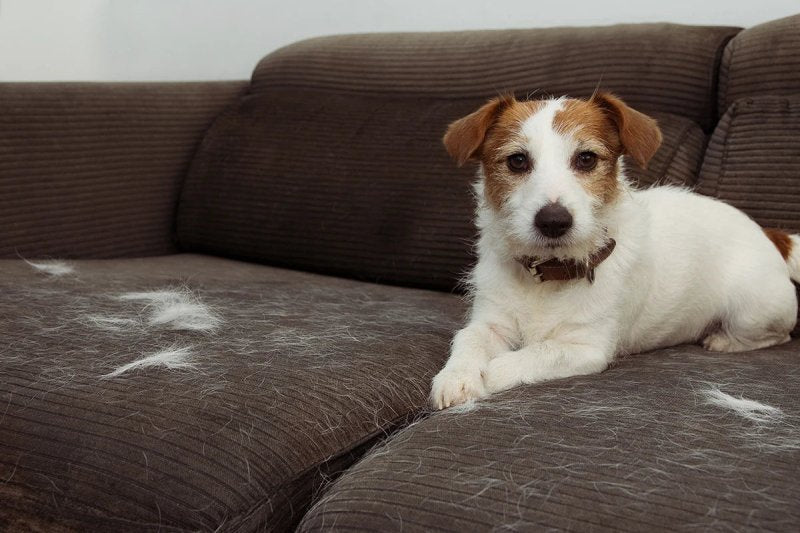
Learn what excessive shedding and coat changes can signal about your dog's skin health, common contributors, and how to support a healthier coat.