
Dog Shedding: Excessive Shedding & Coat Changes in Dogs
Table of Contents
- Normal Shedding vs. a Change Worth Noticing
- What Coat Changes Can Signal
- Common Contributors to Excessive Shedding
- The Skin–Coat Connection
- Supporting a Healthier Coat
- When Shedding Points to Something Medical
- When to See a Veterinarian
- In Summary
- Frequently Asked Questions
Key Takeaways
- 🐕 All dogs shed—the question is whether it's changed.
- 📉 A dull, thinning, or changing coat can reflect skin stress.
- 🌾 Many factors contribute—season, nutrition, skin health, stress.
- 🧱 Coat health starts at the skin and its barrier.
- 🧴 Gentle grooming supports the coat; harsh grooming can worsen it.
- 🩺 Sudden or patchy hair loss warrants veterinary attention.
Normal Shedding vs. a Change Worth Noticing
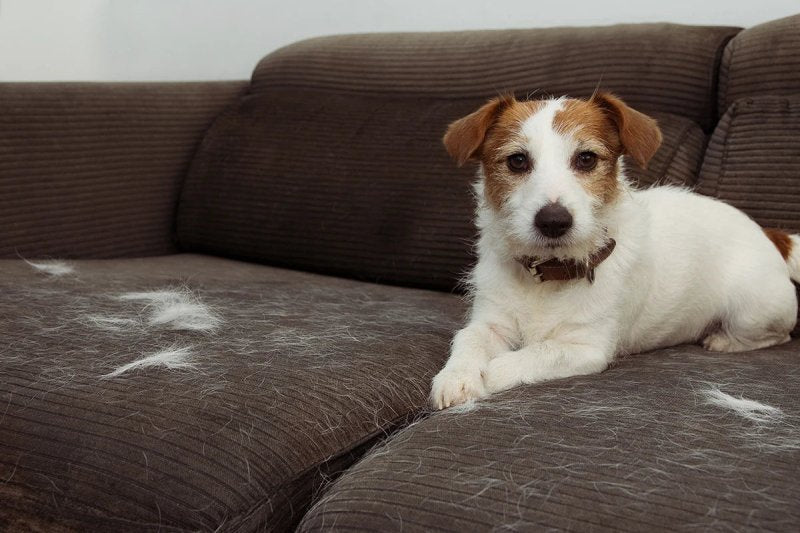
Every dog sheds, and shedding varies widely by breed, coat type, and season. The meaningful question isn't "is my dog shedding?" but "has my dog's shedding or coat changed?" A noticeable increase in shedding, or a coat that's become dull, dry, brittle, or patchy, can be a signal worth paying attention to — because the coat often reflects what's happening in the skin beneath it.
What Coat Changes Can Signal During Shedding Season
Coat changes can take several forms:
- Increased or excessive shedding
- A dull, dry, or brittle coat
- Thinning or patchy areas
- Changes in texture or shine
These changes don't point to a single cause, but they often indicate that the skin and coat are under some form of stress.
Common Contributors to Excessive Shedding in Dogs
Several factors can contribute, frequently together:
- Seasonal cycles — many dogs shed more during seasonal transitions because of seasonal shedding, and breeds with double coats may drop the winter coat as they shift to a lighter summer coat.
- Nutrition — coat quality reflects overall health and diet, and a poor diet or missing key nutrients can leave hair dry and more likely to fall out, so a balanced diet supports the dog's health.
- Skin health — dryness, skin irritation, inflamed skin, and barrier disruption can all affect the dog's skin and coat.
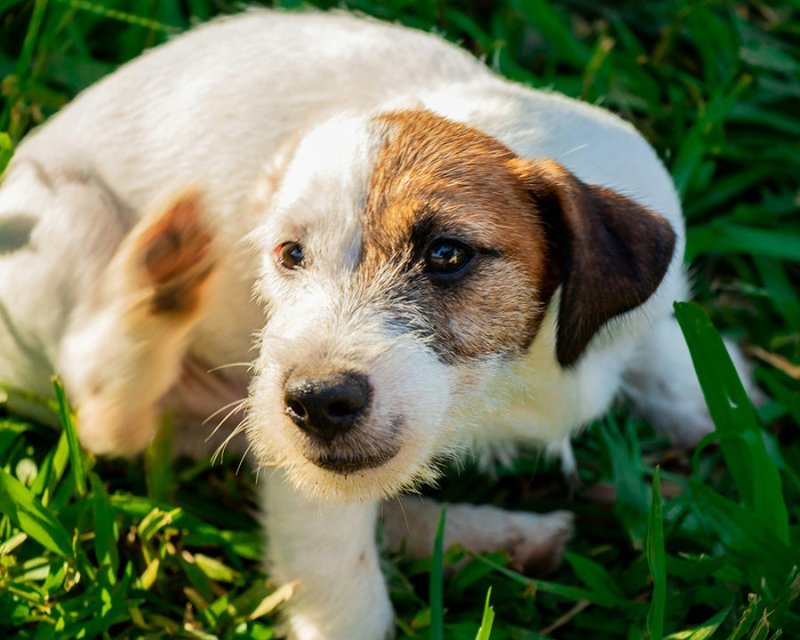
- Scratching from irritation — excessive scratching, itchy skin, and over-grooming can increase hair loss, and skin allergies, food allergies, environmental allergies, mange mites, and fleas can all contribute to excessive shedding in dogs.
- Stress and environment — both can influence shedding.
Most dogs have some level of dog's normal shedding, but changes can also point to an underlying health issue.

The Skin–Coat Connection
A healthy coat grows from healthy dog's skin, and its condition often reflects what is happening across the dog's body and overall health. When the skin barrier is compromised or the skin is dry and irritated, the coat above it often shows it, becoming dull or shedding more, while keeping skin hydrated helps support hair follicles and may reduce excessive hair loss. The skin's surface environment, including its microbiome, plays a role in overall skin and coat condition (more in our skin microbiome guide). Hydration helps keep your dog's skin healthy, and Omega-3 fatty acids can support the skin barrier and help keep dog's skin hydrated. Supporting skin health is often the foundation of supporting the coat.
Supporting a Healthier Coat and Healthy Skin
Regular grooming supports coat health, and heavy shedders often need frequent grooming. Regular bathing with a suitable product removes loose hair and buildup, which can reduce shedding and support a healthier coat while harsh, over-stripping products can do the opposite. A gentle wash that helps keep the dog clean should hydrate the coat, preserve natural oils, and help release dead hair without disrupting the skin barrier. To manage shedding at home, brush your dog regularly with an appropriate brush for the coat type, and a shedding tool can help lift loose fur. For example, short haired dogs may do well with a curry-style brush, while long haired dogs often need a slicker-style option, and short coats can still drop much hair. When scratching from irritation is part of the shedding, supporting skin comfort can also reduce hair loss, and feeding high quality dog food as a balanced diet that meets AAFCO standards, along with good hydration, supports a healthy dog and a healthy pup's coat. Dog owners can also keep the home and dog clean by removing loose dog hair and dead skin cells through grooming and cleanup. For related signs, see flaky, red, or crusty dog skin.
When Shedding Points to Something Medical
Sometimes coat changes can point to an underlying health issue and other health issues that affect the dog's condition, especially when shedding changes suddenly. Patchy hair loss, bald spots, or sudden dramatic changes in shedding can be associated with conditions that require diagnosis, from parasites and skin infections to skin problems, thyroid disease, and cushing's disease. In some cases, dogs shed excessively when illness affects the skin and coat, especially if you notice bald patches, inflamed skin, or other signs. Grooming support won't address these; veterinary evaluation will.
When to See a Veterinarian
Contact your veterinarian during regular vet visits and if your dog has:
- Sudden or dramatic increases in shedding
- Bald spots or patchy hair loss
- Signs such as inflamed skin or bald patches that can point to mange mites, allergies, or other medical causes that need diagnosis
- Skin changes alongside the coat changes, including skin irritation or possible skin infections (redness, sores, flaking)
- Itching, excessive scratching, odor, or behavioral changes
Want to support your dog's coat from the skin up? Subscribe to our newsletter for science-backed skin and coat education.
Summary
All dogs shed, but a change in shedding or coat quality can signal skin stress. Season, nutrition, skin health, and irritation all contribute, and because a healthy coat grows from healthy skin, gentle grooming that supports the barrier helps, while sudden or patchy hair loss warrants a vet.
Frequently Asked Questions
Why is my dog shedding so much?
Shedding varies across different dog breeds and season, and some dog breeds shed far more than others; Labrador Retrievers, German Shepherds, and Akitas are known heavy shedders, while Siberian Huskies often shed heavily in the fall and spring months. Many of these breeds have double coats, and in shedding season double-coated breeds shed their winter coat in spring, which is completely normal. A noticeable increase can reflect skin stress, nutrition, irritation, or seasonal cycles, and how dogs typically shed also depends on breed and coat structure. Sudden or patchy loss should be checked by a vet.
Can skin health affect my dog's coat?
Yes. A healthy coat grows from healthy skin, so dryness, irritation, or a compromised barrier often show up as dullness or increased shedding.
Does bathing reduce shedding?
Gentle, regular bathing removes loose hair and buildup, which can support a healthier coat and reduce shedding, especially when paired with brushing and the appropriate brush or shedding tool for the coat type, as long as the product doesn't strip the skin.
When is shedding a sign of a problem?
Bald spots, patchy hair loss, or sudden dramatic changes outside a pup's shedding from puppy coat to adult coat, especially with other skin symptoms, warrant veterinary evaluation.
Read more
Learn how grooming products may contribute to dryness, irritation, and sensitivity in dogs, and what to look for when choosing products for sensitive skin.
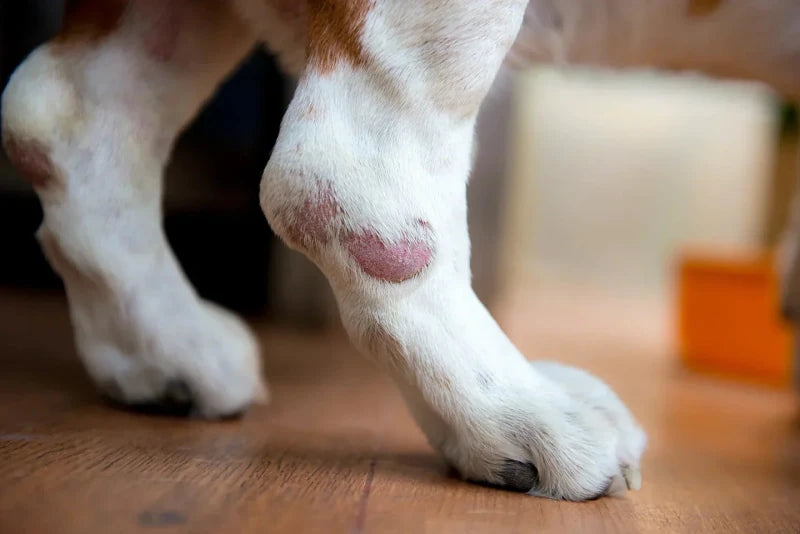
Learn what hot spots and irritated areas on dogs can look like, what may contribute to them, and when irritation needs veterinary attention.