



Hot Spots, Sores & Irritated Areas on Dogs
Table of Contents
- What Hot Spots and Irritated Areas Are
- What They Can Look Like
- What May Contribute to Them
- Why Irritation Can Spread
- Supporting Skin Around Mild Irritation
- Why Hot Spots Often Need a Vet
- When to See a Veterinarian
- In Summary
- Frequently Asked Questions
Key Takeaways
- 🔴 Hot spots are localized areas of inflamed, irritated skin that can develop quickly.
- 🔁 The itch–scratch–lick cycle makes them worse, breaking down the skin further.
- 🌡️ Many factors can contribute: moisture, allergies, irritation, parasites.
- ⚠️ Hot spots can escalate fast and often need veterinary evaluation.
- 🧴 Gentle skin support helps the surrounding skin, but isn't a treatment for active sores.
- 🩺 When in doubt, call your vet: especially for raw, moist, or spreading areas.
What Hot Spots (Acute Moist Dermatitis) and Irritated Areas Are
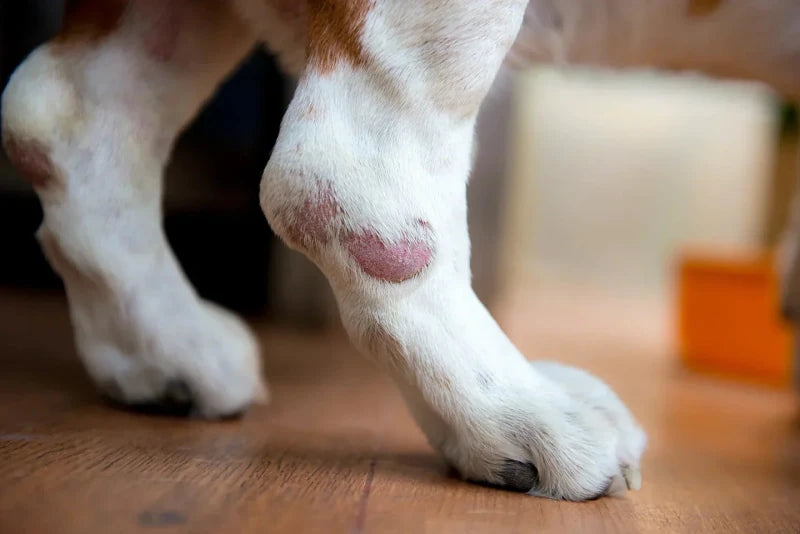
A "hot spot" is a localized area of inflamed, irritated skin, also known as acute moist dermatitis, with moist dermatitis and pyotraumatic dermatitis used as clinical terms. These lesions can appear anywhere on a dog's body, but they are often seen on the head, legs, and hips. It often appears suddenly and can become raw or moist as the dog scratches, licks, or chews at it. Hot spots and irritated areas are not a diagnosis on their own, they're a sign that the skin in that spot is under stress, and identifying the underlying cause or underlying issue is key.
Because this is one of the more serious-looking skin symptoms, it's important to understand both what may contribute to it and when it needs professional attention.
What They Can Look Like
Irritated areas and hot spots may appear as:
- Red, inflamed patches
- Areas that look raw, moist, or oozing; severe spots may discharge pus, which can signal infection
- Spots the dog repeatedly licks, scratches, or chews
- Hair loss over the affected area
- Crusting or scabbing as the area changes
These skin lesions can range from mild to severe, may be itchy and painful, and can rapidly worsen. Because hot spots can also resemble other skin conditions, appearance alone may not be enough to tell them apart, and worsening lesions need veterinary guidance.

Common Causes: What May Contribute to Them
Hot spots and irritated areas can be triggered by many factors, often in combination:
- Excessive moisture or excess moisture left on the coat after a dog swims or is bathed without thorough drying can lead to dogs' hot spots.
- Thicker coats or a double coat can leave moisture trapped, and matted fur reduces airflow, creating an ideal environment for bacterial growth and developing hot spots.
- Seasonal allergies, food allergies, or flea allergy dermatitis can all trigger inflammation.
- Insect bites or parasites
- Certain breeds, including Golden Retrievers, may be more prone to developing hot spots.
- Irritation from grooming products
- Repeated scratching or licking of an already-sensitive area
Flea and tick prevention, flea prevention, and good hygiene all help reduce the likelihood of hot spots. A healthy skin barrier can also make any of these less likely to escalate. (See our skin barrier function guide.)
Why Irritation Can Spread
What makes hot spots distinctive is how quickly they can escalate. Once an area is irritated, the dog's self-trauma through excessive licking or scratching can break down the skin further and turn a minor irritation into an open wound. This is why a small irritated patch can become a larger, rawer area in a short time, and why prompt attention matters — because secondary bacterial infections can occur as the area worsens.
Supporting Skin Around Mild Irritation
This is about supporting the healthy and mildly irritated skin around a flare, not treating an active hot spot. For skin that is intact (not open, oozing, or infected), a fragrance-free, barrier-conscious routine, including gentle, leave-on skin support, helps keep nearby skin comfortable and less reactive.
If the skin is broken, raw, or infected, it needs veterinary care rather than topical comfort. For related symptoms, see flaky, red, or crusty dog skin.
Why Hot Spots Often Need a Vet
Because hot spots can escalate quickly and may involve a bacterial infection or other skin infections, they often need veterinary evaluation. A vet can determine whether the area is infected, look for the underlying condition and any chronic problems that may be driving recurring hot spots, and recommend appropriate care. Trying to manage worsening lesions with topical comfort alone is rarely the right course.
When to See a Veterinarian
Contact your veterinarian promptly if your dog has any of the following, and pet owners should contact a veterinarian immediately when lesions are raw, spreading, or clearly very uncomfortable:
- Raw, moist, or oozing areas
- Spreading or rapidly worsening irritation
- Signs of infection (odor, pus-like discharge, swelling)
- Significant hair loss or open sores
- Pain, or constant licking and chewing of the area
- Irritation near the head or ears, which can point to ear infections
With prompt veterinary care, hot spots often improve, while delays can let them worsen quickly.
Want science-backed guidance on supporting sensitive skin between flare-ups? Subscribe to our newsletter.
In Summary
Hot spots and irritated areas are localized signs of stressed skin that can escalate quickly through the itch–scratch cycle. Many factors can contribute to canine hot spots, and they often come back unless the underlying cause is appropriately managed; a compromised barrier makes them worse, and because they can involve infection, they often need veterinary evaluation. Gentle skin support helps surrounding skin but is not a treatment for active sores.
Frequently Asked Questions
What is a hot spot on a dog?
A hot spot is a localized area of inflamed, irritated skin that can appear suddenly and become raw as the dog licks or scratches it.
What causes hot spots on dogs?
Many factors can contribute, including trapped moisture, allergies, parasites, product irritation, and repeated scratching, often made worse by a compromised skin barrier. They're also more common in warm weather, when humidity and damp coats can worsen skin inflammation.
Do hot spots need a vet?
Often, yes. Hot spots can escalate quickly and may involve infection, so raw, moist, spreading, or worsening areas should be evaluated by a veterinarian.
Can I treat a hot spot at home?
Active hot spots, open sores, or infected areas need veterinary care rather than at-home treatment. For intact, mildly irritated skin nearby, gentle, fragrance-free skin support can help keep it comfortable, but a true hot spot should be evaluated by your vet.
Read more
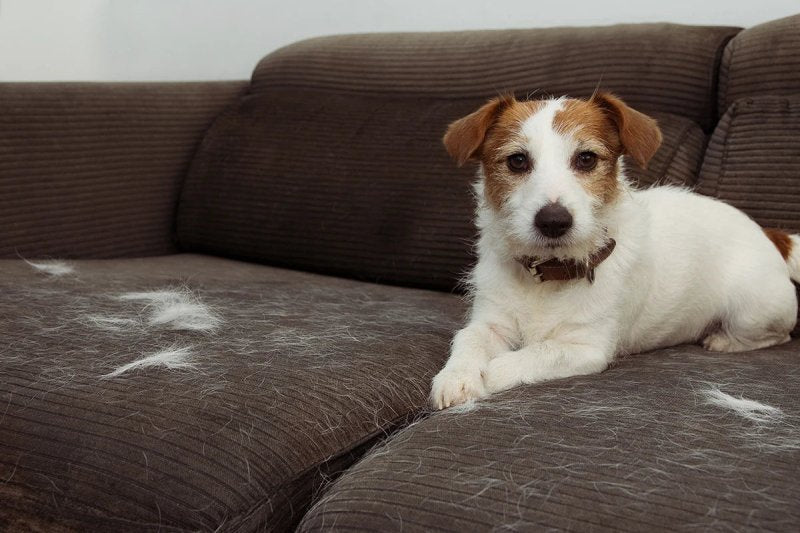
Learn what excessive shedding and coat changes can signal about your dog's skin health, common contributors, and how to support a healthier coat.

Learn the common skin problems cats experience, how feline skin issues differ from dogs', and when to seek veterinary care.