



Ingredients to Avoid in Dog Shampoo (and What to Look For Instead)
Table of Contents
- Why Some Ingredients Cause Problems
- Sulfates and Harsh Cleansers
- Synthetic Fragrance and Perfumes
- Artificial Dyes
- Certain Essential Oils
- Why "Avoid" Doesn't Mean "Dangerous"
- What to Look For Instead
- When to See a Veterinarian
- In Summary
- Frequently Asked Questions
Key Takeaways
- 🧼 Sulfates can strip protective oils and leave sensitive skin dry and tight.
- 🌸 Synthetic fragrance is a leading irritant for reactive dogs and offers no skin benefit.
- 🎨 Dyes add color, not care and can contribute to sensitivity.
- 🌿 Some essential oils act as sensitizers, especially at higher concentrations.
- ⚖️ Tolerance is individual: "avoid" reflects higher risk for sensitive skin, not universal danger.
- ✅ The goal is fewer irritants, not fear of ingredients.
Why Some Ingredients Cause Problems
Most grooming ingredients exist for a reason: to clean, preserve, scent, or color a product. The issue for sensitive dogs isn't that these ingredients are inherently "bad," but that some of them increase the chance of irritation, especially when the skin is already reactive or the skin barrier is compromised. A dog's skin also has a different, more neutral pH than human skin, which is part of why human shampoo can disrupt a dog's skin balance.
Knowing which categories come up most often helps you read an ingredient label with a more critical eye. For the broader ingredient picture, see our dog skin care ingredients guide.

Sulfates and Harsh Cleansers
Sulfates are strong detergents that produce a rich lather; sodium lauryl sulfate and sodium laureth sulfate are common examples. They clean effectively, but they can also strip the skin's natural oils. For dogs with sensitive or dry skin, this can leave the skin feeling tight and more prone to irritation after bathing. Gentler, plant-derived (often coconut-based) cleansers are typically milder and can clean without stripping natural oils.
Synthetic Fragrance and Perfumes
Fragrance is one of the most common contributors to skin reactions in sensitive dogs and it offers no skin-health benefit. Because "fragrance" can represent a blend of many undisclosed components, it's also hard to evaluate: you can't easily tell what's in it or what your dog is reacting to. That's a big part of why many owners of sensitive dogs simply choose fragrance-free products. Our guide to fragrance, essential oils, and sensitizers goes deeper on scent specifically.
Artificial Dyes
Dyes make products look a certain way but contribute nothing to skin health, and they can add to sensitivity in reactive dogs. For sensitive skin, or any dog prone to irritation, color is an easy thing to do without.
Certain Essential Oils
Essential oils are often marketed as "natural," but natural doesn't automatically mean gentle. Some essential oils can act as sensitizers, particularly at higher concentrations or with repeated exposure. Dogs also have a far more sensitive sense of smell than humans, which is another reason to be cautious with heavily scented products.
Why "Avoid" Doesn't Mean "Dangerous"
Tolerance varies from dog to dog, and many dogs use fragranced or sulfate-containing products without any obvious issue. It's also worth remembering that preservatives serve a real purpose, they keep a formula safe by preventing microbial growth, so "preservative-free" isn't the goal; well-chosen, simpler systems are.
Some owners of sensitive dogs also prefer to limit certain additives, such as parabens and formaldehyde-releasing preservatives, and to keep the overall ingredient list short. The theme is consistent: the point of an "avoid" list is risk reduction for sensitive skin. Fewer potential irritants means fewer chances for a flare. That's a calmer, more accurate way to think about ingredients than treating everything as toxic.
What to Look For Instead
In place of harsh or unnecessary ingredients, look for gentle, plant-derived cleansers, humectants like glycerin, soothing colloidal oat, and moisturizers such as aloe; ideally in formulas made without common irritants like sulfates, fragrance, and dyes. A good conditioner also helps restore hydration after cleansing without leaving buildup.
Verification matters too. Independent review, toxicology, EWG verification, is a useful signal that a formula was actually evaluated for safety, not just described that way in marketing. (See what "vet-formulated" should mean.) When in doubt, formulas made without common irritants and backed by independent testing are the simpler, safer starting point for sensitive skin.
When to See a Veterinarian
If your dog reacts to a product, increased scratching, redness, or irritation, stop using it, and consult your veterinarian if symptoms persist or worsen, or if there are sores, swelling, or signs of infection.
Want a simple framework for reading pet labels? Subscribe to our newsletter for ingredient and skin education.
In Summary
For sensitive dogs, the ingredients worth approaching with caution are sulfates, synthetic fragrance, artificial dyes, and high concentrations of essential oils. None are universally dangerous, but each raises the chance of irritation — so simpler, fragrance-free, pet-formulated products are often the safer choice.
Frequently Asked Questions
Are sulfates bad for dogs?
Sulfates aren't toxic, but they can strip natural oils and leave sensitive or dry skin feeling tight and irritated. Gentler cleansers are often better tolerated.
Is fragrance in dog shampoo a problem?
Fragrance is a common contributor to skin reactions in sensitive dogs and provides no skin benefit, so many owners choose fragrance-free options.
Are essential oils safe for dogs?
Some essential oils can act as sensitizers, especially at higher concentrations. "Natural" does not automatically mean gentle.
Can you use human shampoo on dogs?
It's best to avoid it. Human shampoo can disrupt a dog's skin balance and barrier, which may leave the skin dry and affect the coat.
Should I avoid dyes in pet products?
Dyes add color but no skin benefit and can contribute to sensitivity, so they're easy to skip for reactive skin.
Read more

Learn which skin care ingredients help soothe itchy dog skin, colloidal oat, glycerin, hyaluronic acid, and barrier support, and how they work together.
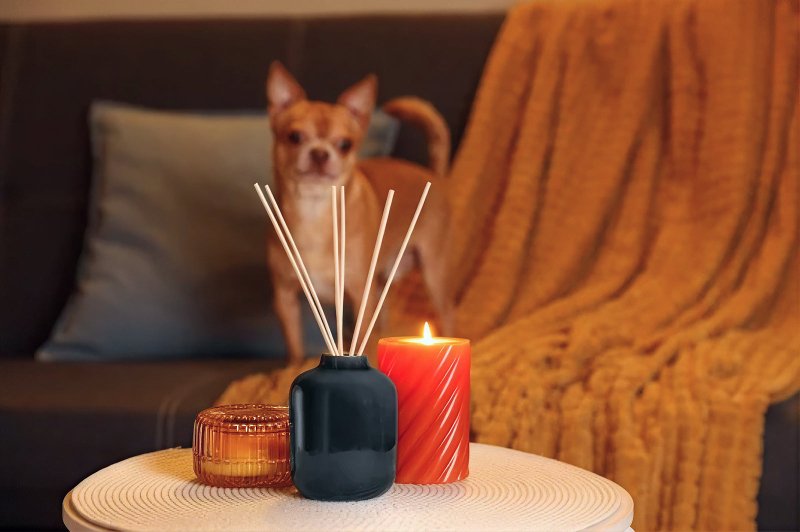
How fragrance and essential oils affect pets: skin sensitivity, which oils are toxic to dogs and cats, warning signs, and why fragrance-free is a safe default.