
Dog Skin Barrier Repair: The Right Ingredients, Kept Simple
Table of Contents
- What the Skin Barrier Needs
- Ceramides and Lipids
- Humectants
- Soothing and Conditioning Support
- Why These Ingredients Belong Together
- Why Simpler Is Often Better
- Minimal vs. "Stripped Down"
- How Verification Supports Simplicity
- Using Barrier Support Consistently
- When to See a Veterinarian
- In Summary
- Frequently Asked Questions
Key Takeaways
- 🧱 The barrier is built from cells and lipids, and supporting both keeps it resilient.
- 🔬 Ceramide-supporting ingredients and lipids help reinforce that structure.
- 💧 Humectants hold moisture so the barrier can do its job.
- 🌾 Oat and panthenol add soothing, conditioning support.
- 🧩 Barrier care is a system, not a single hero ingredient.
- ➕ More ingredients rarely means more effective, and for sensitive skin it can mean more risk.
- 🔁 Consistency matters more than intensity.
What the Skin Barrier Needs
The skin barrier is often described as a brick wall: skin cells are the bricks, and lipids are the mortar holding them together. To stay resilient, that structure needs two things: intact lipids to seal it, and enough moisture to keep it flexible. When the barrier is compromised, skin loses water faster and reacts more easily, and flaking or itching may follow.
Supporting a dog's skin barrier means reinforcing that structure with the right ingredients: barrier-supporting lipids, moisture-binding humectants, and soothing conditioners so the outer layer can hold water, stay comfortable, and resist irritants. (A compromised barrier is also associated with conditions like atopic dermatitis, which a veterinarian should diagnose.) For the full picture of how the barrier works, see our skin barrier function guide.
Ceramides and Lipids
Lipids are the "mortar" of the barrier, and that matrix also depends on fatty acids to hold together. Ceramide-supporting ingredients and certain plant oils help reinforce this lipid layer, supporting the skin's ability to retain moisture and resist irritants. When lipids are depleted, often by harsh cleansing, skin loses water faster and becomes more reactive.
Humectants
Humectants like glycerin and sodium hyaluronate (hyaluronic acid) draw in and hold moisture. A hydrated barrier is more flexible and less prone to the dryness-itch cycle. Humectants and lipids complement each other: one attracts moisture, the other helps seal it in.
Soothing and Conditioning Support
Ingredients like colloidal oat, oat protein, and panthenol add a soothing, conditioning layer. They don't rebuild the barrier on their own, but they reduce irritation and support comfort while the barrier stays protected, which matters for skin that's already sensitive. Comfort also depends partly on a balanced skin surface, so gentle care that doesn't disrupt the skin's natural environment helps.
Why These Ingredients Belong Together
No single ingredient "repairs" the barrier. Lipids seal, humectants hydrate, and soothing ingredients calm, working together. This is why a barrier-supportive routine tends to outperform any one product used in isolation: the categories reinforce each other. It connects to comfort directly, too, because the same ingredients that support the barrier are often the ones that help itchy skin feel calmer. For the wider view of what to look for across a whole formula, see our dog skin care ingredients guide.
Why Simpler Is Often Better
Long ingredient lists can look impressive, as if a product is doing more. For sensitive skin, that intuition is often backwards. Sensitive or reactive skin has a lower tolerance for irritants, and every additional ingredient, especially fragrance, dyes, and harsh cleansers, is one more thing the skin has to tolerate and one more possible source of a reaction. Reducing the count reduces the risk. (Our ingredients-to-avoid guide covers the categories most worth trimming.)
Minimal, purpose-built formulas flip the logic: do what the skin needs, with as few variables as possible. A good minimal formula is not incomplete. It still delivers the essentials, gentle cleansing that doesn't strip natural oils, hydration, and barrier support. A deliberately simple, barrier-first formula leaves out fragrance, sulfates, and silicones while keeping the ingredients that actually support skin health.
Minimal vs. "Stripped Down"
There's a difference between intentionally minimal and simply lacking. A stripped-down product might cut ingredients to save cost, leaving skin under-supported. An intentionally minimal formula removes the unnecessary while keeping the purposeful. The test is whether each remaining ingredient has a clear job.
How Verification Supports Simplicity
Simplicity and rigor aren't opposites. A minimal formula should still be tested for safety and stability and reviewed independently. Third-party testing and toxicology review show that a simple formula was actually evaluated, not just marketed as "clean." (See our overview of third-party testing and safety standards.)
Using Barrier Support Consistently
Barrier support compounds with consistency. Gentle bathing that doesn't strip lipids, hydration between baths, and avoiding unnecessary irritants all give the barrier room to stay resilient. Intense, occasional treatments matter far less than steady, gentle care over time.
When to See a Veterinarian
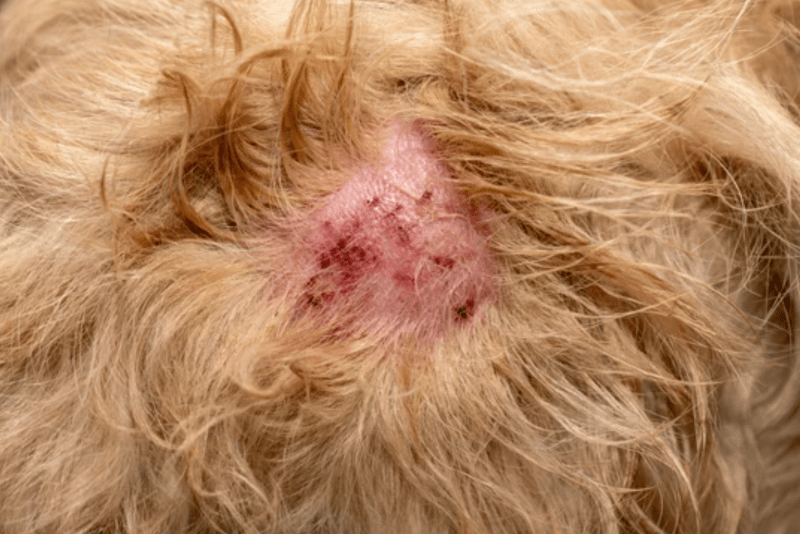
Barrier-supportive ingredients support healthy skin function, but they aren't a treatment for medical conditions. See your veterinarian for persistent or worsening irritation, sores, hair loss, or signs of infection, which need a diagnosis rather than home care alone.
Want to understand the science behind skin-supportive ingredients? Subscribe to our newsletter.
In Summary
Supporting a dog's skin barrier comes down to a few ingredient categories working together: lipids and ceramide-supporting ingredients that seal, humectants that hydrate, and oat and panthenol that soothe. Just as important is keeping the formula simple, since fewer, purpose-chosen ingredients mean fewer potential irritants for sensitive skin. Used consistently, and backed by real testing, a simple barrier-first routine tends to outperform a crowded one.
Frequently Asked Questions
What ingredients support the skin barrier in dogs?
Ceramide-supporting ingredients and lipids, humectants like glycerin and hyaluronic acid, and soothing ingredients like colloidal oat and panthenol all support barrier health, used consistently as part of a gentle routine.
Do ceramides help dog skin?
Ceramide-supporting ingredients help reinforce the skin's lipid layer, which supports moisture retention and resilience.
Can one ingredient repair the skin barrier?
Barrier support works as a system. Lipids, humectants, and soothing ingredients each play a role, and consistency matters more than any single ingredient.
Are minimal ingredient dog shampoos better?
For sensitive skin, fewer, purpose-chosen ingredients usually mean fewer potential irritants, which is often better tolerated, as long as the formula still supports cleansing, hydration, and the barrier.
How do I know a simple formula is safe?
Look for third-party testing, toxicology review, and full ingredient transparency rather than relying on "clean" or "natural" claims.
Read more
How fragrance and essential oils affect pets: skin sensitivity, which oils are toxic to dogs and cats, warning signs, and why fragrance-free is a safe default.
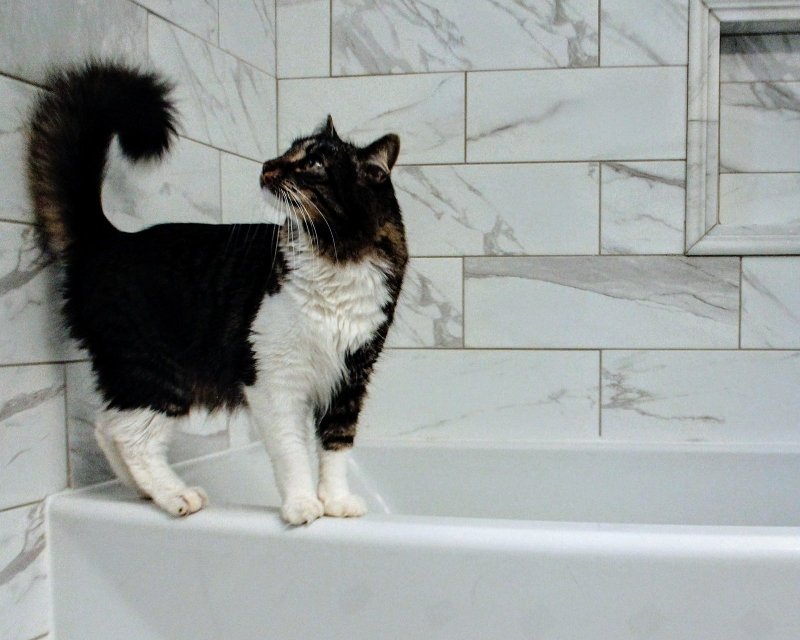
Cats metabolize some ingredients differently and groom by licking. Learn what makes a grooming product safe for cats and which ingredients warrant caution.