





Preventing Fleas and Ticks on Dogs: Vet-Approved Tips to Keep Your Dog Safe
Nobody likes to see their dog scratching like crazy, and fleas and ticks can be the sneaky culprits behind it. These tiny pests not only make your dog uncomfortable but can also cause serious health problems if left untreated. The good news? You can take simple steps to protect your dog and keep these pesky bugs away.
Table of Contents
- Key Takeaways
- Importance of Preventing Fleas and Ticks on Dogs
- Common Signs of Fleas and Ticks on Dogs
- Effective Prevention Methods
- Environmental Management Tips
- Conclusion
- Frequently Asked Questions
- Resources
Key Takeaways
- 🕷️ Fleas and ticks can cause severe health issues in dogs, including skin irritation, anemia, and diseases such as Lyme disease. Effective prevention protects both your dog and household.
- 💢 Common signs of infestation include itching, scratching, red patches, flea dirt, restlessness, and visible ticks, allowing for early detection and prompt action.
- 💊 Prevention methods include topical treatments, oral medications, flea collars, and regular grooming, offering long-term protection and comfort for your dog.
- 🫧 Maintaining a clean environment, such as vacuuming regularly, washing bedding, and keeping your yard tidy, reduces the risk of fleas and ticks invading your home.
- 🩺 Consult a veterinarian to develop a tailored prevention plan based on your dog’s age, size, health, and lifestyle for optimal pest control and safety.
Importance Of Preventing Fleas And Ticks On Dogs
Fleas and ticks can cause serious health issues for dogs. Fleas feed on blood, and can cause skin irritation and even anemia in severe cases. Ticks can carry diseases like Lyme disease and Rocky Mountain spotted fever, which can harm both dogs and humans if transmitted. Using preventatives protects your dog from these risks and ensures their well-being.
Prevention also minimizes discomfort for your dog. Flea bites make dogs very itchy, sometimes causing redness and sore spots. Tick bites can create open wounds, leading to infection. Taking steps to prevent these pests keeps your dog comfortable and safe.
Infestations can quickly spread in your home. Fleas reproduce rapidly, laying eggs that then sit on carpets, bedding, and furniture. Ticks may latch onto humans or other pets, increasing health risks within your household. Contrary to popular belief, specific tick species can even be found in your home during the winter. Preventative care reduces the chance of these pests infesting your living space. Best practice is to use flea and tick prevention year round.
Stay updated with the latest tips and advice by joining the Welltayl newsletter. Learn about safe methods to protect your dog from fleas and ticks, along with useful tips on daily care. Subscribe now for helpful insights to keep your dog happy and pest-free.
Common Signs Of Fleas And Ticks On Dogs
Fleas and ticks can cause your dog both physical discomfort and noticeable changes in behavior. Understanding these signs can help you identify pest issues early and take swift action.
Physical Symptoms
- Itching and Scratching: Flea bites often result in constant scratching especially in dogs more sensitive to flea saliva..
- Skin Irritation: Red, inflamed patches or hot spots on the skin are common with fleas, sometimes leading to secondary infections. This is especially common over the lower back region.
- Flea Dirt: Look for tiny, dark flecks resembling dirt. These specks are flea feces, usually found in your dog's coat or on their bedding.
- Tick Attachment: Ticks are sometimes visible on a dog's skin, often in hard-to-spot areas like behind the ears or between the toes.

Effective Prevention Methods
Keeping fleas and ticks away from your dog protects them from irritation and dangerous diseases. Using the right methods ensures your pet stays healthy and comfortable.
Topical Treatments
Topical treatments, like spot-on products, are applied directly to your dog's skin. These products often contain ingredients such as selamectin, fipronil, or fluralaner to kill fleas and ticks effectively. Applying these once a month provides consistent protection. Follow instructions on the packaging to ensure safe use.
Oral Medications
Oral medications come as typically chewable tablets that protect against fleas and ticks for extended periods, up to 12 weeks with some products. These products come from a family of drugs called the Isoxazolines. These medications reach every part of your dog’s body through their bloodstream, ensuring comprehensive protection.
Flea And Tick Collars
Flea and tick collars, such as Seresto, work by releasing active ingredients that repel pests. These collars need close contact with the skin to be effective. When fitted correctly, they provide protection for several months. Choose options meeting safety standards for long-lasting results.
Regular Grooming And Bathing
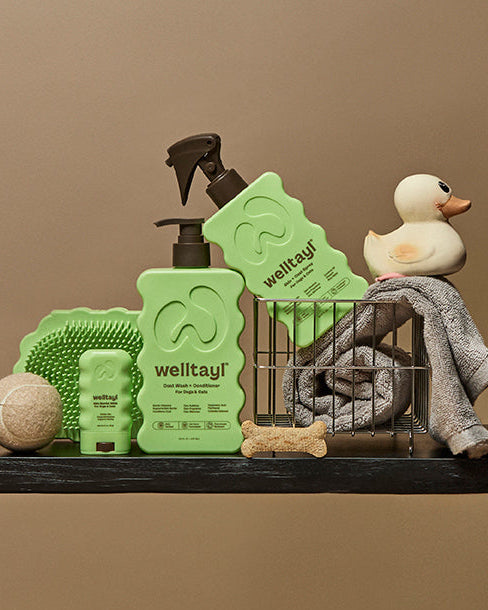
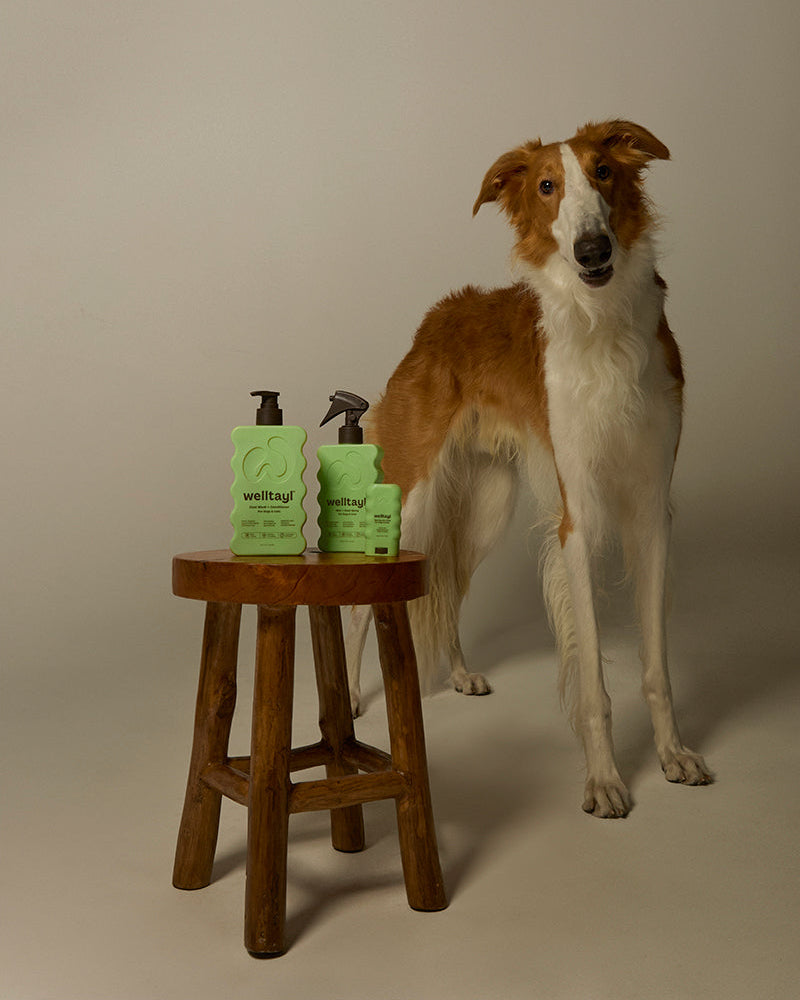
Regular grooming with products like Welltayl's can help spot and remove fleas and ticks already on your dog. Medicated shampoos can kill them during baths. A sensitive-skin shampoo like Welltayl's coat wash + conditioner can help to soothe irritated skin. Combine these with other preventative methods for better control.
Consult a veterinarian to customize a prevention plan that suits your environment and dog's needs. For example, dogs living in wooded areas might require more robust protection, while indoor dogs may benefit from lighter treatments.
Want more tips to keep your dog safe? Join the Welltayl newsletter! Get easy-to-follow advice and the latest updates straight to your inbox. It's a quick, helpful way to learn how to protect your furry friend from fleas and ticks all year long.

Environmental Management Tips
Preventing fleas and ticks starts with maintaining a clean environment indoors and outdoors. Pests often hide in places where your dog spends time, making regular house cleaning and yard care essential.
Cleaning Your Home
- Vacuum Thoroughly: Vacuum carpets, rugs, and furniture where your dog rests. Focus on corners, under furniture, and around pet beds.
- Wash Pet Bedding: Wash your dog's bedding routinely in hot water. Use high heat in the dryer to kill any fleas and flea eggs.
- Use a Steam Cleaner: Use steam cleaning on furniture or floors for a chemical-free way to kill pests and their eggs.
Treating Outdoor Areas
- Treat the Yard: Use pet-safe sprays or lawn treatments to remove fleas and ticks. You may also consider professional pest services for this.
- Maintain Yard Hygiene: Mow the lawn regularly, trim overgrown shrubs, and remove piles of leaves or branches where pests thrive. Keeping outdoor areas tidy makes them less attractive to fleas and ticks.
Subscribe to the Welltayl newsletter to stay updated with reliable tips and insights on keeping your dog safe from fleas and ticks. Whether you're looking for expert advice, product recommendations, or practical strategies, this newsletter helps you navigate pet care with confidence.
Conclusion
Protecting your dog from fleas and ticks is essential for their health, comfort, and overall well-being. By staying proactive and using effective prevention methods tailored to your dog's needs, you can significantly reduce the risk of pest infestations and the problems they bring.
A clean environment, regular grooming, and the right prevention products go a long way in keeping these pests at bay. Don’t forget to consult your veterinarian to ensure you’re choosing the safest and most effective options for your furry friend.
Taking these steps not only safeguards your dog but also creates a healthier home for your entire family. Stay informed and committed to prevention so your dog can enjoy a happy, itch-free life.
Frequently Asked Questions
What are the signs of fleas or ticks on my dog?
Look for symptoms like excessive itching, scratching, skin redness, or small black specks (flea dirt) on your dog’s coat. You may also spot actual fleas or ticks on their skin, especially in areas like armpits and behind the ears. If your dog seems restless or anxious, it could also be a sign of an infestation.
How do fleas and ticks harm dogs?
Fleas can cause irritation, skin infections, and anemia, while ticks can transmit serious diseases like Lyme disease or Rocky Mountain spotted fever. They may also create open wounds from biting, leading to secondary infections.
How can I prevent fleas and ticks from infesting my dog?
Use preventive measures like spot-on treatments, chewable tablets, or flea collars. Regular grooming and bathing help remove pests too. Always maintain a clean indoor and outdoor environment.
Is it important to involve a veterinarian in flea and tick prevention?
Absolutely! A vet can recommend the best prevention plan tailored to your dog’s individual needs. They can help you consider factors like allergies, health conditions, and environmental risks for a well-rounded approach.
Resources:
Read more

Stimulate your dog’s mind with fun brain games that reduce boredom and improve behavior. Discover easy ideas and expert tips. Start playing today!

Learn how to spot, treat, and prevent dog ear infections with expert tips. Discover causes, symptoms, and safe home care strategies to keep your dog healthy.